
Ancestral Bite
No Result
View All Result
  • Food
    • Beverages
      • Sauces
      • Soups
      • Broths and Stocks
      • Herbal teas & infusions
      • Natural fermented drinks
      • Natural Juices
      • Plant-bassed Milks
      • Plants waters
      • Tonic or medicinal drinks
      • Traditional naturally sweetened drinks
      • Vegetable juices
      • Water
    • Cereals, Legumes & Grains
      • Cereals
      • Beans
      • Broad Beans
      • Lentils
      • Other Legumes and Grains
      • Peas
    • Flours
      • Classic grains flours
      • Fruits flours or pseudocereals
      • Legume flours
      • Seed and nut flours
      • Speciality or mixed mentioned
      • Tuber and root flours
    • Fruits & Vegetables
      • Alliums
      • Citrus Fruits
      • Cruciferous Vegetables
      • Edible Mushrooms
      • Fruit Vegetables
      • Leafy and stem vegetables
      • Legume Vegetables
      • Melon or squash fruits (cucurbits)
      • Other Miscellaneous Vegetables
      • Pome Fruits
      • Root vegetables and tubers
      • Small Fruits & Berries
      • Special fruits
      • Stone Fruits
      • Tropical & Exotic Fruits
    • Meats (offals), Fish & Seafood
      • Cattle Meats
      • Crustaceans
      • Exotic or regional meats
      • Fatty fishes
      • Freshwater fishes
      • Horse meats
      • Lean fishes
      • Mollusks
      • Offal – Organs Meat
      • Other sea foods
      • Pork meats
      • Poultry meats
      • Sheep and goat meats
      • Tropical fishes
      • Wild Game Meats
    • Nuts & Seeds
      • Aromatic Seeds & Spices
      • Fats & Oils
      • Fruits with oily pulp
      • Legume Seeds
      • Nuts & nut-like seeds
      • Nuts Fruits
      • Oil Seeds
      • Use for their oils
      • Wild & Traditional Seeds
    • Other Food
      • Fermented Food & Dairy
        • Dairy products
        • Fermented food
        • Condiments & Vinegars
    • Spices & Herbs
      • Aromatic Herbs
      • Natural Sweeteners
      • Spices from bark and roots
      • Spices from dried leaves or herbs
      • Spices from flowers or flower buds
      • Spices from seeds or nuts
      • Spices made from dried pools, zest or fruit
      • Sweet spices
      • Traditional Spice Blends
  • Nutrition
    • Metabolism
      • Role of the Microbiome
      • Toxicity & Modern Risks
    • Micro & Macronutrients
      • Nutrient Guide
      • Nutritional values table
      • Nutritional values – Current and ancestral
  • Recipe
    • Meal Type
      • Breakfast
      • Lunch
      • Dinner
      • Appetizer
      • Snacks
      • Desserts
      • Drinks
    • Culinary Techniques
      • Preservation Methods
        • Canning and sterilization
        • Fermentation
        • Natural preservation
        • Preservation by refrigeration
        • Preservation by sugar
        • Preservation in fat
        • Preservation in liquid
        • Salting
        • Smoking
        • Thermal preservation
        • Fermented Recipes
      • Traditional Utensils
  • Lifestyle
    • Diets
      • Fasting & Rythm
      • Vegan
      • Carnivore
      • Omnivore
      • Veggie
      • Fructivore
    • Origins
      • Asia
      • Africa & Middle East
      • Europe
      • Americas
      • Oceania & Indigenous Diet
      • Connection to Nature
      • Mindful Eating
  • Contact
  • Food
    • Beverages
      • Sauces
      • Soups
      • Broths and Stocks
      • Herbal teas & infusions
      • Natural fermented drinks
      • Natural Juices
      • Plant-bassed Milks
      • Plants waters
      • Tonic or medicinal drinks
      • Traditional naturally sweetened drinks
      • Vegetable juices
      • Water
    • Cereals, Legumes & Grains
      • Cereals
      • Beans
      • Broad Beans
      • Lentils
      • Other Legumes and Grains
      • Peas
    • Flours
      • Classic grains flours
      • Fruits flours or pseudocereals
      • Legume flours
      • Seed and nut flours
      • Speciality or mixed mentioned
      • Tuber and root flours
    • Fruits & Vegetables
      • Alliums
      • Citrus Fruits
      • Cruciferous Vegetables
      • Edible Mushrooms
      • Fruit Vegetables
      • Leafy and stem vegetables
      • Legume Vegetables
      • Melon or squash fruits (cucurbits)
      • Other Miscellaneous Vegetables
      • Pome Fruits
      • Root vegetables and tubers
      • Small Fruits & Berries
      • Special fruits
      • Stone Fruits
      • Tropical & Exotic Fruits
    • Meats (offals), Fish & Seafood
      • Cattle Meats
      • Crustaceans
      • Exotic or regional meats
      • Fatty fishes
      • Freshwater fishes
      • Horse meats
      • Lean fishes
      • Mollusks
      • Offal – Organs Meat
      • Other sea foods
      • Pork meats
      • Poultry meats
      • Sheep and goat meats
      • Tropical fishes
      • Wild Game Meats
    • Nuts & Seeds
      • Aromatic Seeds & Spices
      • Fats & Oils
      • Fruits with oily pulp
      • Legume Seeds
      • Nuts & nut-like seeds
      • Nuts Fruits
      • Oil Seeds
      • Use for their oils
      • Wild & Traditional Seeds
    • Other Food
      • Fermented Food & Dairy
        • Dairy products
        • Fermented food
        • Condiments & Vinegars
    • Spices & Herbs
      • Aromatic Herbs
      • Natural Sweeteners
      • Spices from bark and roots
      • Spices from dried leaves or herbs
      • Spices from flowers or flower buds
      • Spices from seeds or nuts
      • Spices made from dried pools, zest or fruit
      • Sweet spices
      • Traditional Spice Blends
  • Nutrition
    • Metabolism
      • Role of the Microbiome
      • Toxicity & Modern Risks
    • Micro & Macronutrients
      • Nutrient Guide
      • Nutritional values table
      • Nutritional values – Current and ancestral
  • Recipe
    • Meal Type
      • Breakfast
      • Lunch
      • Dinner
      • Appetizer
      • Snacks
      • Desserts
      • Drinks
    • Culinary Techniques
      • Preservation Methods
        • Canning and sterilization
        • Fermentation
        • Natural preservation
        • Preservation by refrigeration
        • Preservation by sugar
        • Preservation in fat
        • Preservation in liquid
        • Salting
        • Smoking
        • Thermal preservation
        • Fermented Recipes
      • Traditional Utensils
  • Lifestyle
    • Diets
      • Fasting & Rythm
      • Vegan
      • Carnivore
      • Omnivore
      • Veggie
      • Fructivore
    • Origins
      • Asia
      • Africa & Middle East
      • Europe
      • Americas
      • Oceania & Indigenous Diet
      • Connection to Nature
      • Mindful Eating
  • Contact
No Result
View All Result
Ancestral Bite
No Result
View All Result
Home Lifestyle Diets Vegan

Vegan Nutrition

by Capucine Bourges
January 22, 2026
in Vegan
17 0
0
Vegan Nutrition

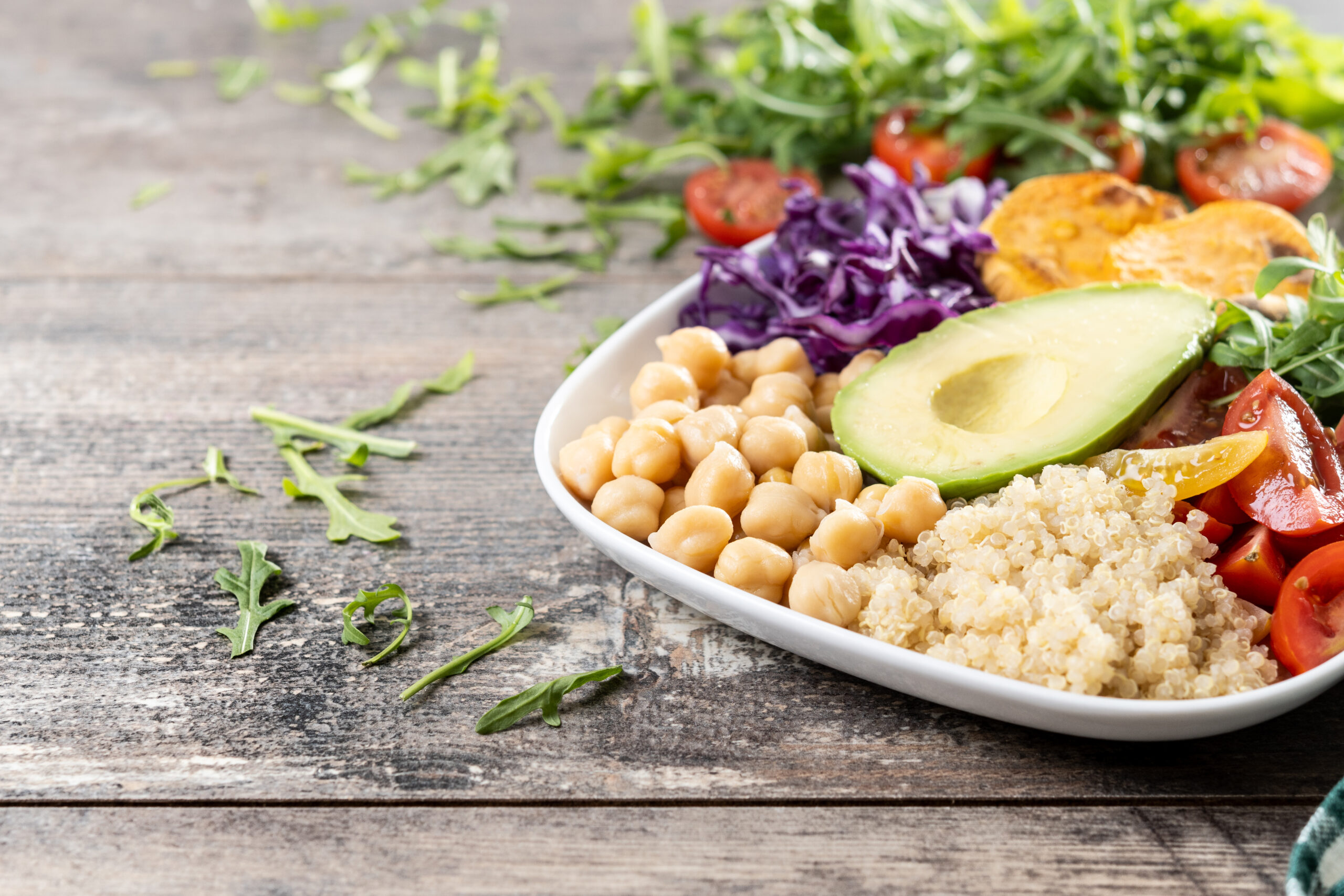
Healthy salad with avocado,lettuce,tomato and chickpeas on wooden table

14
SHARES
124
VIEWS
Share on FacebookShare on Twitter

Introduction

A vegan diet excludes all animal products—meat, fish, dairy, eggs, and often honey—and instead focuses on plant-based foods like fruits, vegetables, grains, legumes, nuts, seeds, herbs, and fungi. Many choose veganism for ethical, environmental, or health reasons. But how nutritious a vegan diet is depends a lot on the quality of foods, how they’re prepared, and how varied they are. When well-planned, a vegan diet can be rich in nutrients, but it also requires awareness of potential gaps and the importance of choosing whole foods over ultra-processed options.


1. The Basics of a Vegan Diet

A natural, whole-food vegan approach includes:
– Fresh and cooked fruits and vegetables, including fermented options
– Legumes like beans, lentils, chickpeas, and soy products
– Whole grains such as quinoa, oats, brown rice, millet, and sorghum
– Nuts and seeds like almonds, walnuts, chia, flax, and hemp
– Plant oils like olive, coconut, avocado, and sesame
– Herbs and spices for flavor and health benefits
– Fermented foods like tempeh, miso, kimchi, and sauerkraut

The more diverse your choices, the more complete your nutrition will be.


2. What Are the Strengths of a Vegan Diet?

High in Fiber and Phytochemicals:
Plants provide a wealth of antioxidants, polyphenols, flavonoids, and fibers that support heart health, gut bacteria diversity, and help reduce inflammation.

Naturally Low in Saturated Fat:
Most plant foods are low in saturated fats, which is good for your heart.

Rich in Vitamins and Minerals:
A varied vegan diet can supply plenty of vitamin C, folate, magnesium, potassium, and plant-based antioxidants.

Supports Weight and Metabolic Health:
High-fiber foods help you feel full longer and help regulate blood sugar levels.


3. Nutrients That Need Special Attention

Since some nutrients mainly come from animal foods, vegans should plan carefully:

Vitamin B12:
Crucial for nerve health and energy; must be supplemented or obtained from fortified foods.

Iron:
Plant-based iron (non-heme) isn’t absorbed as easily. Pairing iron-rich foods with vitamin C sources boosts absorption.

Omega-3 Fatty Acids:
EPA and DHA are limited in plants; algae-based supplements are a good option.

Protein & Essential Amino Acids:
Eating a variety of legumes, grains, nuts, and seeds helps ensure complete protein intake.

Calcium, Vitamin D, and K2:
Important for healthy bones; often need fortified foods or supplements.

Zinc and Iodine:
While plant sources exist, they may be less bioavailable. Sea vegetables and soaking or fermenting legumes can help.

4. Whole-Food Vegan vs. Processed Vegan

Not all vegan diets are created equal:

Whole-Food Vegan:
– Focuses on minimally processed ingredients
– Rich in fiber, nutrients, and healthy fats
– Naturally anti-inflammatory
– Supports steady energy and gut health

Processed Vegan:
– Includes vegan meats, fast foods, refined grains, seed oils, and sugars
– Can lack essential nutrients
– Often high in sodium and additives
– May cause blood sugar swings and nutrient gaps over time

Choosing a nutrient-focused vegan diet means emphasizing traditional preparation methods such as soaking, sprouting, and fermenting, along with seasonal variety.


5. Traditional Plant-Based Eating Around the World

Many cultures have long histories of plant-centered diets:

– Mediterranean: Grains, legumes, vegetables, and olive oil
– East Asian: Soy, rice, seaweed, and pickled vegetables
– Indian: Lentils, spices, fermented foods, and legumes
– African & Caribbean: Tubers, greens, pulses, and coconut

These diets often involve natural, traditional methods that unlock vital nutrients.


6. How Does Veganism Impact Modern Health?

A balanced vegan diet can support:
– Better heart health
– Reduced inflammation
– Improved digestion
– Diverse gut bacteria
– Stable metabolic markers

But poorly planned vegan diets risk causing:
– Anemia and fatigue
– Hormonal imbalances
– Weakened immunity
– Nutrient deficiencies

The key lies in education, choosing quality ingredients, and using thoughtful supplementation when needed.


7. The Broader Picture: Environment & Ethics

Many opt for veganism to reduce their ecological footprint, lower greenhouse gases, promote animal welfare, and support sustainable farming. Plant-based eating generally uses fewer resources than meat-heavy diets, making it beneficial for the planet.


Conclusion

A vegan diet can be deeply nourishing if built on whole, diverse, minimally processed plant foods. It offers plenty of fiber, antioxidants, and phytonutrients often missing in modern diets. Still, since some nutrients are naturally scarce in plants, careful planning and supplementation are essential to stay balanced and energetic in the long run.

In essence, veganism aligns with ancestral principles—emphasizing traditional preparation, whole ingredients, and diversity—creating a modern lifestyle that benefits both your health and the Earth.

Tags: #Ancestral#Awareness#Bite#Diet#Eating#Food#Health#Nutrition#Pleasure#Vegan
Previous Post

Human Diets

Next Post

The Veggie Diet

Capucine Bourges

Capucine Bourges

Next Post
The Veggie Diet

The Veggie Diet

Leave a Reply Cancel reply

Your email address will not be published. Required fields are marked *

Newsletter

Popular

  • Mindful Eating: Awareness, Pleasure, and Ancestral Nutrition

    Mindful Eating: Awareness, Pleasure, and Ancestral Nutrition

    15 shares
    Share 6 Tweet 4
  • Connection to Nature: Food, Environment, and Ancestral Health

    14 shares
    Share 6 Tweet 4
  • Oceania & Indigenous Diets: Traditional Foods and Nutrition

    14 shares
    Share 6 Tweet 4
  • The Americas: Traditional Diets and Nutritional Patterns

    14 shares
    Share 6 Tweet 4
  • Europe: Traditional Diets and Nutritional Patterns

    14 shares
    Share 6 Tweet 4
  • Africa & Middle East: Traditional Diets and Nutrition

    14 shares
    Share 6 Tweet 4
Ancestral Bite

© 2025 Ancestral Bite

Navigate Site

  • Home
  • Recipe
  • About
  • Archives
  • Contact

Follow Us

Welcome Back!

Login to your account below

Forgotten Password?

Retrieve your password

Please enter your username or email address to reset your password.

Log In
No Result
View All Result
  • Food
    • Beverages
      • Sauces
      • Soups
      • Broths and Stocks
      • Herbal teas & infusions
      • Natural fermented drinks
      • Natural Juices
      • Plant-bassed Milks
      • Plants waters
      • Tonic or medicinal drinks
      • Traditional naturally sweetened drinks
      • Vegetable juices
      • Water
    • Cereals, Legumes & Grains
      • Cereals
      • Beans
      • Broad Beans
      • Lentils
      • Other Legumes and Grains
      • Peas
    • Flours
      • Classic grains flours
      • Fruits flours or pseudocereals
      • Legume flours
      • Seed and nut flours
      • Speciality or mixed mentioned
      • Tuber and root flours
    • Fruits & Vegetables
      • Alliums
      • Citrus Fruits
      • Cruciferous Vegetables
      • Edible Mushrooms
      • Fruit Vegetables
      • Leafy and stem vegetables
      • Legume Vegetables
      • Melon or squash fruits (cucurbits)
      • Other Miscellaneous Vegetables
      • Pome Fruits
      • Root vegetables and tubers
      • Small Fruits & Berries
      • Special fruits
      • Stone Fruits
      • Tropical & Exotic Fruits
    • Meats (offals), Fish & Seafood
      • Cattle Meats
      • Crustaceans
      • Exotic or regional meats
      • Fatty fishes
      • Freshwater fishes
      • Horse meats
      • Lean fishes
      • Mollusks
      • Offal – Organs Meat
      • Other sea foods
      • Pork meats
      • Poultry meats
      • Sheep and goat meats
      • Tropical fishes
      • Wild Game Meats
    • Nuts & Seeds
      • Aromatic Seeds & Spices
      • Fats & Oils
      • Fruits with oily pulp
      • Legume Seeds
      • Nuts & nut-like seeds
      • Nuts Fruits
      • Oil Seeds
      • Use for their oils
      • Wild & Traditional Seeds
    • Other Food
      • Fermented Food & Dairy
    • Spices & Herbs
      • Aromatic Herbs
      • Natural Sweeteners
      • Spices from bark and roots
      • Spices from dried leaves or herbs
      • Spices from flowers or flower buds
      • Spices from seeds or nuts
      • Spices made from dried pools, zest or fruit
      • Sweet spices
      • Traditional Spice Blends
  • Nutrition
    • Metabolism
      • Role of the Microbiome
      • Toxicity & Modern Risks
    • Micro & Macronutrients
      • Nutrient Guide
      • Nutritional values table
      • Nutritional values – Current and ancestral
  • Recipe
    • Meal Type
      • Breakfast
      • Lunch
      • Dinner
      • Appetizer
      • Snacks
      • Desserts
      • Drinks
    • Culinary Techniques
      • Preservation Methods
      • Traditional Utensils
  • Lifestyle
    • Diets
      • Fasting & Rythm
      • Vegan
      • Carnivore
      • Omnivore
      • Veggie
      • Fructivore
    • Origins
      • Asia
      • Africa & Middle East
      • Europe
      • Americas
      • Oceania & Indigenous Diet
      • Connection to Nature
      • Mindful Eating
  • Contact

© 2025 Ancestral Bite