
Ancestral Bite
No Result
View All Result
  • Food
    • Beverages
      • Sauces
      • Soups
      • Broths and Stocks
      • Herbal teas & infusions
      • Natural fermented drinks
      • Natural Juices
      • Plant-bassed Milks
      • Plants waters
      • Tonic or medicinal drinks
      • Traditional naturally sweetened drinks
      • Vegetable juices
      • Water
    • Cereals, Legumes & Grains
      • Cereals
      • Beans
      • Broad Beans
      • Lentils
      • Other Legumes and Grains
      • Peas
    • Flours
      • Classic grains flours
      • Fruits flours or pseudocereals
      • Legume flours
      • Seed and nut flours
      • Speciality or mixed mentioned
      • Tuber and root flours
    • Fruits & Vegetables
      • Alliums
      • Citrus Fruits
      • Cruciferous Vegetables
      • Edible Mushrooms
      • Fruit Vegetables
      • Leafy and stem vegetables
      • Legume Vegetables
      • Melon or squash fruits (cucurbits)
      • Other Miscellaneous Vegetables
      • Pome Fruits
      • Root vegetables and tubers
      • Small Fruits & Berries
      • Special fruits
      • Stone Fruits
      • Tropical & Exotic Fruits
    • Meats (offals), Fish & Seafood
      • Cattle Meats
      • Crustaceans
      • Exotic or regional meats
      • Fatty fishes
      • Freshwater fishes
      • Horse meats
      • Lean fishes
      • Mollusks
      • Offal – Organs Meat
      • Other sea foods
      • Pork meats
      • Poultry meats
      • Sheep and goat meats
      • Tropical fishes
      • Wild Game Meats
    • Nuts & Seeds
      • Aromatic Seeds & Spices
      • Fats & Oils
      • Fruits with oily pulp
      • Legume Seeds
      • Nuts & nut-like seeds
      • Nuts Fruits
      • Oil Seeds
      • Use for their oils
      • Wild & Traditional Seeds
    • Other Food
      • Fermented Food & Dairy
        • Dairy products
        • Fermented food
        • Condiments & Vinegars
    • Spices & Herbs
      • Aromatic Herbs
      • Natural Sweeteners
      • Spices from bark and roots
      • Spices from dried leaves or herbs
      • Spices from flowers or flower buds
      • Spices from seeds or nuts
      • Spices made from dried pools, zest or fruit
      • Sweet spices
      • Traditional Spice Blends
  • Nutrition
    • Metabolism
      • Role of the Microbiome
      • Toxicity & Modern Risks
    • Micro & Macronutrients
      • Nutrient Guide
      • Nutritional values table
      • Nutritional values – Current and ancestral
  • Recipe
    • Meal Type
      • Breakfast
      • Lunch
      • Dinner
      • Appetizer
      • Snacks
      • Desserts
      • Drinks
    • Culinary Techniques
      • Preservation Methods
        • Canning and sterilization
        • Fermentation
        • Natural preservation
        • Preservation by refrigeration
        • Preservation by sugar
        • Preservation in fat
        • Preservation in liquid
        • Salting
        • Smoking
        • Thermal preservation
        • Fermented Recipes
      • Traditional Utensils
  • Lifestyle
    • Diets
      • Fasting & Rythm
      • Vegan
      • Carnivore
      • Omnivore
      • Veggie
      • Fructivore
    • Origins
      • Asia
      • Africa & Middle East
      • Europe
      • Americas
      • Oceania & Indigenous Diet
      • Connection to Nature
      • Mindful Eating
  • Contact
  • Food
    • Beverages
      • Sauces
      • Soups
      • Broths and Stocks
      • Herbal teas & infusions
      • Natural fermented drinks
      • Natural Juices
      • Plant-bassed Milks
      • Plants waters
      • Tonic or medicinal drinks
      • Traditional naturally sweetened drinks
      • Vegetable juices
      • Water
    • Cereals, Legumes & Grains
      • Cereals
      • Beans
      • Broad Beans
      • Lentils
      • Other Legumes and Grains
      • Peas
    • Flours
      • Classic grains flours
      • Fruits flours or pseudocereals
      • Legume flours
      • Seed and nut flours
      • Speciality or mixed mentioned
      • Tuber and root flours
    • Fruits & Vegetables
      • Alliums
      • Citrus Fruits
      • Cruciferous Vegetables
      • Edible Mushrooms
      • Fruit Vegetables
      • Leafy and stem vegetables
      • Legume Vegetables
      • Melon or squash fruits (cucurbits)
      • Other Miscellaneous Vegetables
      • Pome Fruits
      • Root vegetables and tubers
      • Small Fruits & Berries
      • Special fruits
      • Stone Fruits
      • Tropical & Exotic Fruits
    • Meats (offals), Fish & Seafood
      • Cattle Meats
      • Crustaceans
      • Exotic or regional meats
      • Fatty fishes
      • Freshwater fishes
      • Horse meats
      • Lean fishes
      • Mollusks
      • Offal – Organs Meat
      • Other sea foods
      • Pork meats
      • Poultry meats
      • Sheep and goat meats
      • Tropical fishes
      • Wild Game Meats
    • Nuts & Seeds
      • Aromatic Seeds & Spices
      • Fats & Oils
      • Fruits with oily pulp
      • Legume Seeds
      • Nuts & nut-like seeds
      • Nuts Fruits
      • Oil Seeds
      • Use for their oils
      • Wild & Traditional Seeds
    • Other Food
      • Fermented Food & Dairy
        • Dairy products
        • Fermented food
        • Condiments & Vinegars
    • Spices & Herbs
      • Aromatic Herbs
      • Natural Sweeteners
      • Spices from bark and roots
      • Spices from dried leaves or herbs
      • Spices from flowers or flower buds
      • Spices from seeds or nuts
      • Spices made from dried pools, zest or fruit
      • Sweet spices
      • Traditional Spice Blends
  • Nutrition
    • Metabolism
      • Role of the Microbiome
      • Toxicity & Modern Risks
    • Micro & Macronutrients
      • Nutrient Guide
      • Nutritional values table
      • Nutritional values – Current and ancestral
  • Recipe
    • Meal Type
      • Breakfast
      • Lunch
      • Dinner
      • Appetizer
      • Snacks
      • Desserts
      • Drinks
    • Culinary Techniques
      • Preservation Methods
        • Canning and sterilization
        • Fermentation
        • Natural preservation
        • Preservation by refrigeration
        • Preservation by sugar
        • Preservation in fat
        • Preservation in liquid
        • Salting
        • Smoking
        • Thermal preservation
        • Fermented Recipes
      • Traditional Utensils
  • Lifestyle
    • Diets
      • Fasting & Rythm
      • Vegan
      • Carnivore
      • Omnivore
      • Veggie
      • Fructivore
    • Origins
      • Asia
      • Africa & Middle East
      • Europe
      • Americas
      • Oceania & Indigenous Diet
      • Connection to Nature
      • Mindful Eating
  • Contact
No Result
View All Result
Ancestral Bite
No Result
View All Result
Home Lifestyle Diets Fructivore

The Fructivore Diet

by Capucine Bourges
January 22, 2026
in Fructivore
17 1
0
The Fructivore Diet

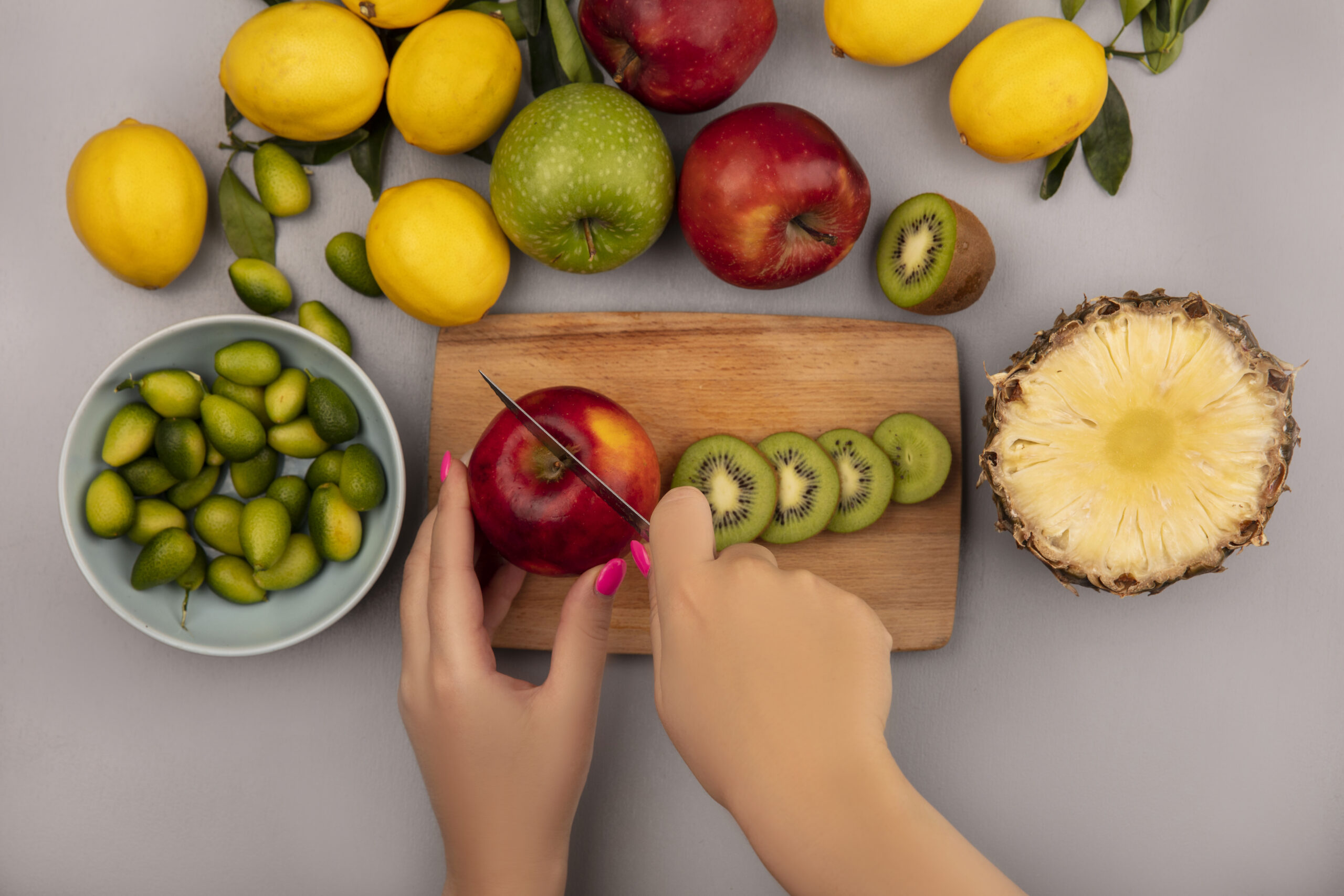
top view of female hands cutting apple on a wooden kitchen board with knife with kinkans on a bowl with apples kiwi pineapple and lemons isolated on a white background

14
SHARES
126
VIEWS
Share on FacebookShare on Twitter

Intoduction

Raw Energy, Ancestral Inspiration & the Limits of Fruit-Forward Nutrition

The fructivore diet is a plant-based eating pattern that focuses primarily on raw fruits, sometimes complemented with leafy greens, nuts, and seeds. Inspired by the feeding habits of some primates and certain ancestral tropical populations, this diet emphasizes natural sugars, hydration, enzymes, and bioactive compounds found in fresh fruits. Although appealing for its simplicity and its connection to nature, the fructivore lifestyle requires careful balance to avoid nutrient deficiencies and metabolic stress.

1. Foundations of the Fructivore Diet

A fructivore diet typically centers around:

  • Fresh whole fruits (tropical, temperate, citrus, berries)
  • Raw leafy greens for minerals and fibre
  • Minimal or no cooking
  • Occasional nuts and seeds for essential fats
  • High water content foods

Some adherents follow stricter versions consisting of:

  • 70–90% fruit
  • 10–30% greens, nuts, and seeds

It is one of the most “naturalistic” eating patterns, prioritizing unprocessed plant foods and relying heavily on seasonal availability.

2. Nutritional Characteristics

High Carbohydrate Intake

Fruits are rich in:

  • Fructose and glucose
  • Soluble and insoluble fibre
  • Organic acids
  • Vitamin C and antioxidants

This leads to rapid energy availability and supports hydration.

Limited Protein

Most fruits contain only 1–5% of calories from protein, making it challenging to meet amino acid requirements without careful planning.

Low Fat

Healthy fats are generally insufficient unless supplemented with:

  • Nuts
  • Seeds
  • Avocado
  • Coconut

Micronutrient Profile

Strengths:

  • Vitamin C
  • Polyphenols
  • Potassium
  • Hydration and electrolytes
  • Antioxidant diversity

Challenges:

  • Vitamin B12 (absent)
  • Iron and zinc (low bioavailability)
  • Calcium (low unless leafy greens added)
  • Omega-3 DHA/EPA (absent)
  • Vitamin D (no dietary source)

3. Potential Benefits

✔ Digestive Lightness

High water content and soluble fibre support bowel regularity and ease of digestion.

✔ Hydration

Most fruits contain 80–95% water, helping fluid balance.

✔ Antioxidant Density

Berries, citrus, and tropical fruits provide anti-inflammatory polyphenols.

✔ Low Toxin Load

Minimal processed foods, additives, and industrial oils.

✔ Detox-Oriented

Many followers report a feeling of “clean” energy, especially during short-term fruit-based resets or fasting phases.

4. Potential Risks & Challenges

⚠ Blood Sugar Instability

High fructose and glucose loads may challenge insulin regulation in some individuals.

⚠ Nutrient Deficiencies

Protein, B12, zinc, iron, calcium, iodine, and omega-3 fatty acids are commonly lacking without supplementation.

⚠ Dental Health

Natural sugars and fruit acids may weaken enamel with excessive frequency of consumption.

⚠ Satiety Issues

Fruits digest rapidly, sometimes leading to hunger cycles throughout the day.

⚠ Excessive Fibre for Some

People with sensitive digestion or IBS may struggle with high fruit fibre content.

The fructivore diet is generally not recommended as a long-term exclusive diet, especially for children, pregnant individuals, or those with metabolic issues.

5. Fructivore Diet in Ancestral Context

While humans have always consumed fruit, it was historically:

  • Seasonal
  • Wild (less sweet than modern cultivated varieties)
  • Paired with protein and fat from hunting or gathering
  • Limited by climate and availability

No ancestral population relied exclusively on fruit year-round.

The modern fructivore diet is therefore more of a physiological experiment than a reflection of human evolutionary patterns.

6. When Fructivore Eating Works Best

This diet can be beneficial when used as:

  • A short-term detox or reset
  • A seasonal summer pattern
  • A temporary high-antioxidant intervention
  • A complement to a broader plant-based diet

It suits individuals who:

  • Tolerate carbohydrates well
  • Live in warm climates
  • Maintain an active lifestyle
  • Have easy access to fresh, ripe fruit

But long-term adherence requires strategic supplementation and careful monitoring.

Conclusion

The fructivore diet embodies purity, hydration, and the simplicity of eating directly from nature. It can offer digestive lightness and antioxidant richness, particularly when practiced short-term or seasonally. However, a strict fruit-only lifestyle lacks several essential nutrients and does not mirror historical human diets.

For most people, a balanced approach—fruit-rich but complemented with greens, nuts, seeds, and possibly other plant or animal foods—provides the benefits of fruit-focused nutrition without the metabolic and nutritional pitfalls of strict fructivorism.

Tags: #Ancestral#Awareness#Bite#Diet#Esting#Food#Fructivore#Health#Nutrition#Pleasure
Previous Post

Origins of Human Nutrition

Next Post

Human Diets

Capucine Bourges

Capucine Bourges

Next Post
Human Diets

Human Diets

Leave a Reply Cancel reply

Your email address will not be published. Required fields are marked *

Newsletter

Popular

  • Mindful Eating: Awareness, Pleasure, and Ancestral Nutrition

    Mindful Eating: Awareness, Pleasure, and Ancestral Nutrition

    15 shares
    Share 6 Tweet 4
  • Connection to Nature: Food, Environment, and Ancestral Health

    14 shares
    Share 6 Tweet 4
  • Oceania & Indigenous Diets: Traditional Foods and Nutrition

    14 shares
    Share 6 Tweet 4
  • The Americas: Traditional Diets and Nutritional Patterns

    14 shares
    Share 6 Tweet 4
  • Europe: Traditional Diets and Nutritional Patterns

    14 shares
    Share 6 Tweet 4
  • Africa & Middle East: Traditional Diets and Nutrition

    14 shares
    Share 6 Tweet 4
Ancestral Bite

© 2025 Ancestral Bite

Navigate Site

  • Home
  • Recipe
  • About
  • Archives
  • Contact

Follow Us

Welcome Back!

Login to your account below

Forgotten Password?

Retrieve your password

Please enter your username or email address to reset your password.

Log In
No Result
View All Result
  • Food
    • Beverages
      • Sauces
      • Soups
      • Broths and Stocks
      • Herbal teas & infusions
      • Natural fermented drinks
      • Natural Juices
      • Plant-bassed Milks
      • Plants waters
      • Tonic or medicinal drinks
      • Traditional naturally sweetened drinks
      • Vegetable juices
      • Water
    • Cereals, Legumes & Grains
      • Cereals
      • Beans
      • Broad Beans
      • Lentils
      • Other Legumes and Grains
      • Peas
    • Flours
      • Classic grains flours
      • Fruits flours or pseudocereals
      • Legume flours
      • Seed and nut flours
      • Speciality or mixed mentioned
      • Tuber and root flours
    • Fruits & Vegetables
      • Alliums
      • Citrus Fruits
      • Cruciferous Vegetables
      • Edible Mushrooms
      • Fruit Vegetables
      • Leafy and stem vegetables
      • Legume Vegetables
      • Melon or squash fruits (cucurbits)
      • Other Miscellaneous Vegetables
      • Pome Fruits
      • Root vegetables and tubers
      • Small Fruits & Berries
      • Special fruits
      • Stone Fruits
      • Tropical & Exotic Fruits
    • Meats (offals), Fish & Seafood
      • Cattle Meats
      • Crustaceans
      • Exotic or regional meats
      • Fatty fishes
      • Freshwater fishes
      • Horse meats
      • Lean fishes
      • Mollusks
      • Offal – Organs Meat
      • Other sea foods
      • Pork meats
      • Poultry meats
      • Sheep and goat meats
      • Tropical fishes
      • Wild Game Meats
    • Nuts & Seeds
      • Aromatic Seeds & Spices
      • Fats & Oils
      • Fruits with oily pulp
      • Legume Seeds
      • Nuts & nut-like seeds
      • Nuts Fruits
      • Oil Seeds
      • Use for their oils
      • Wild & Traditional Seeds
    • Other Food
      • Fermented Food & Dairy
    • Spices & Herbs
      • Aromatic Herbs
      • Natural Sweeteners
      • Spices from bark and roots
      • Spices from dried leaves or herbs
      • Spices from flowers or flower buds
      • Spices from seeds or nuts
      • Spices made from dried pools, zest or fruit
      • Sweet spices
      • Traditional Spice Blends
  • Nutrition
    • Metabolism
      • Role of the Microbiome
      • Toxicity & Modern Risks
    • Micro & Macronutrients
      • Nutrient Guide
      • Nutritional values table
      • Nutritional values – Current and ancestral
  • Recipe
    • Meal Type
      • Breakfast
      • Lunch
      • Dinner
      • Appetizer
      • Snacks
      • Desserts
      • Drinks
    • Culinary Techniques
      • Preservation Methods
      • Traditional Utensils
  • Lifestyle
    • Diets
      • Fasting & Rythm
      • Vegan
      • Carnivore
      • Omnivore
      • Veggie
      • Fructivore
    • Origins
      • Asia
      • Africa & Middle East
      • Europe
      • Americas
      • Oceania & Indigenous Diet
      • Connection to Nature
      • Mindful Eating
  • Contact

© 2025 Ancestral Bite