
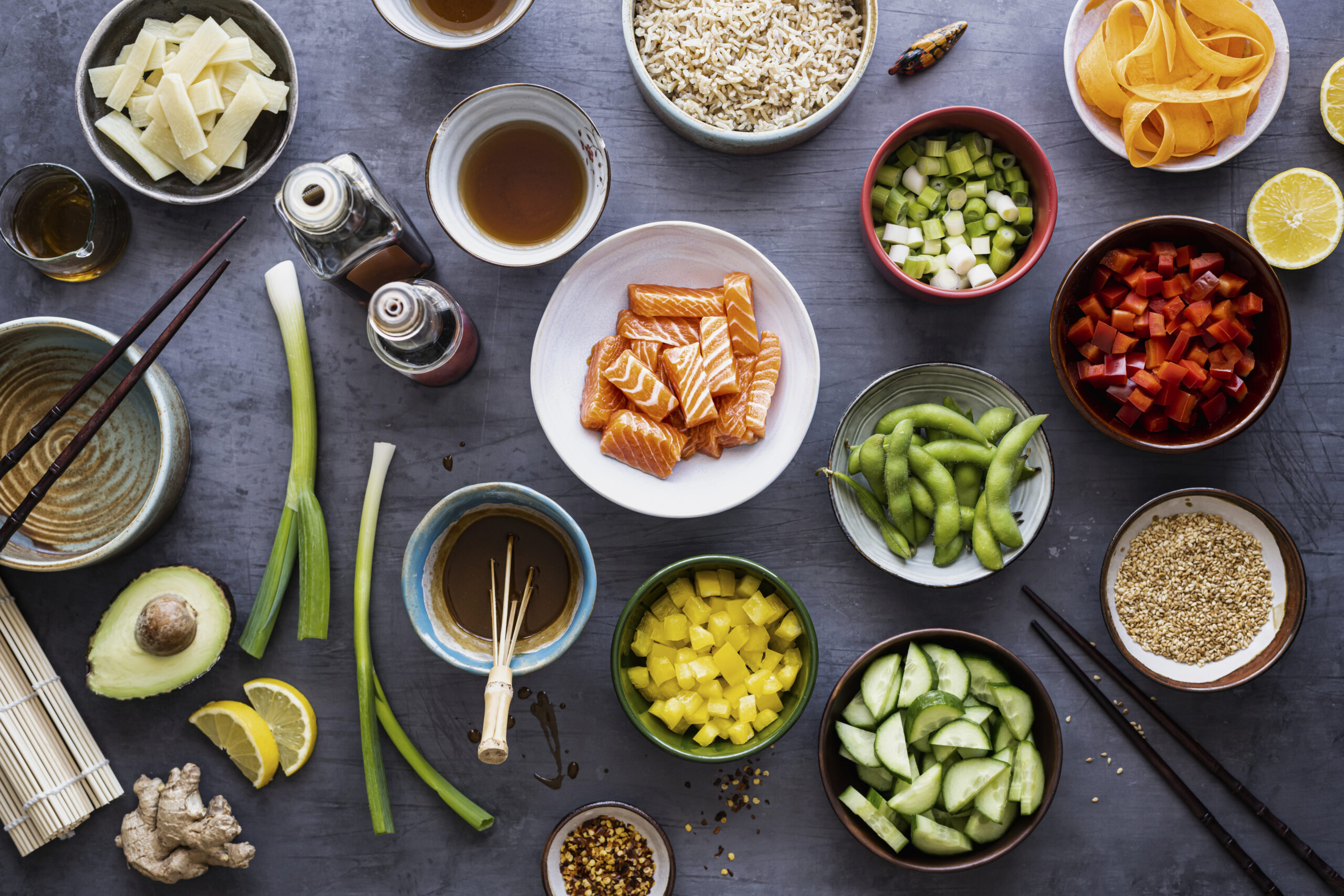
Introduction
Diversity, Balance, and the Wisdom of Regional Foods
Asia is the largest and most diverse continent, home to an incredible array of landscapes, climates, cultures, and culinary traditions. From the lush rice terraces of Southeast Asia to the vast steppes of Central Asia and the coastal islands of Japan, Asian diets reflect a deep connection to local environments and seasons. These eating patterns emphasize balance, nutrient density, and harmony with nature’s rhythms.
Revisiting these traditional diets can inspire us to eat more mindfully, supporting our health and the planet. Let’s explore the key principles and regional flavors that make Asian food traditions so rich and resilient.
1. Core Principles of Asian Diets
Despite their differences, many Asian diets share some common qualities:
– Plant-based foundations: rice, millet, wheat, legumes, vegetables, and fruits.
– Seafood and lean animal proteins: fish, shellfish, poultry, with occasional pork or beef.
– Fermented foods: kimchi, miso, soy sauce, pickled vegetables, which boost digestion and nutrients.
– Herbs and spices: ginger, garlic, turmeric, chili, coriander—adding flavor and health benefits.
– Cooking methods that preserve nutrients: steaming, stir-frying, slow-cooking.
– Seasonal and local sourcing: emphasizing fresh, minimally processed ingredients aligned with harvests.
These patterns promote digestive harmony, energy balance, and a diverse nutrient intake.
2. Regional Dietary Patterns
East Asia (China, Japan, Korea)
– Staples: rice, noodles, millet.
– Vegetables: bok choy, daikon, cabbage, seaweed.
– Proteins: tofu, eggs, fish, small amounts of meat.
– Fermentation: miso, soy sauce, kimchi, pickled radish.
– Flavor profile: mild, umami-rich, with soy, ginger, and garlic.
– Highlights: fiber-rich, antioxidant-packed, gut-friendly fermented foods, with omega-3-rich fish.
Southeast Asia (Thailand, Vietnam, Indonesia, Philippines)
– Staples: rice, sticky rice, rice noodles.
– Vegetables & herbs:** lemongrass, basil, chili, lime leaves.
– Proteins: seafood, chicken, pork, tofu.
– Oils: coconut milk, peanut oil.
– Fermentation: fish sauce, fermented soy products.
– Highlights: rich in phytonutrients, healthy fats from coconut and nuts, vibrant spices with anti-inflammatory properties.
South Asia (India, Pakistan, Sri Lanka)
– Staples: rice, millet, wheat (like chapati, roti).
– Legumes: lentils, chickpeas, mung beans.
– Dairy: yogurt, ghee.
– Vegetables: eggplant, okra, spinach, gourds.
– Spices: turmeric, cumin, coriander, cardamom, chili.
– Highlights: plant-based proteins, bioactive spices, healthy fats, and high fiber for digestion.
Central Asia (Kazakhstan, Mongolia, Kyrgyzstan)
– Staples: barley, wheat, millet.
– Proteins: lamb, goat, beef, dairy (milk, cheese, fermented drinks).
– Vegetables & fruits: onions, carrots, root veggies, berries.
– Cooking: boiling, roasting, fermentation.
– Highlights: energy-dense animal proteins and fats for cold climates, fermented dairy for gut health.
West Asia / Middle East
– Staples: wheat, bulgur, rice.
– Legumes: lentils, chickpeas, fava beans.
– Fats: olive oil, nuts.
– Herbs & spices: mint, sumac, cinnamon, garlic.
– Meat: lamb, goat, poultry in moderation.
– Highlights: Mediterranean influences, high in fiber, antioxidants, healthy monounsaturated fats, moderate protein.
3. Common Nutritional Features
Across Asia’s diverse diets, several key elements stand out:
– Balanced macros: carbs from grains and vegetables, proteins from legumes, fish, and lean meats, healthy fats from nuts, seeds, and oils.
– High fiber: supporting digestion and a healthy microbiome.
– Rich in phytochemicals and antioxidants: from colorful vegetables, fruits, herbs, and spices.
– Fermented foods: vital for gut health and nutrient absorption.
– Seasonal adaptation: diets shift with climate, harvests, and local availability, ensuring freshness and variety.
4. Health Benefits
Traditional Asian diets have long supported:
– Lower rates of heart disease and stroke.
– Stable blood sugar and healthy weight management.
– Reduced inflammation and chronic illness.
– A resilient gut microbiome thanks to fermented foods and fiber.
– Longer, healthier lives rooted in nutrient-dense, seasonal eating.
Modern urban diets, however, often lean toward refined grains, sugars, fried foods, and processed meats, which can diminish these advantages.
5. Modern Challenges and Opportunities
Urbanization and globalization bring increased processed food consumption.
Sugary drinks, fast foods, and snacks often replace traditional plant-based staples.
Replaced oils and refined carbs reduce nutrient quality.
Cultural shifts toward convenience threaten the integrity of traditional meals.
But preserving and revitalizing these ancestral principles—favoring seasonal, diverse, plant-rich, fermented, and minimally processed foods—remains essential for health and cultural continuity.
Conclusion
Asia’s traditional diets exemplify balance, biodiversity, and metabolic harmony. Across climates and cultures, they combine whole grains, vegetables, legumes, seafood, herbs, and fermented foods in ways that maximize nutrition and support gut health. While modern life presents challenges, returning to these roots—embracing seasonality, diversity, and simple, wholesome foods—aligns with our evolutionary needs and can promote long-term vitality.