
Ancestral Bite
No Result
View All Result
  • Food
    • Beverages
      • Sauces
      • Soups
      • Broths and Stocks
      • Herbal teas & infusions
      • Natural fermented drinks
      • Natural Juices
      • Plant-bassed Milks
      • Plants waters
      • Tonic or medicinal drinks
      • Traditional naturally sweetened drinks
      • Vegetable juices
      • Water
    • Cereals, Legumes & Grains
      • Cereals
      • Beans
      • Broad Beans
      • Lentils
      • Other Legumes and Grains
      • Peas
    • Flours
      • Classic grains flours
      • Fruits flours or pseudocereals
      • Legume flours
      • Seed and nut flours
      • Speciality or mixed mentioned
      • Tuber and root flours
    • Fruits & Vegetables
      • Alliums
      • Citrus Fruits
      • Cruciferous Vegetables
      • Edible Mushrooms
      • Fruit Vegetables
      • Leafy and stem vegetables
      • Legume Vegetables
      • Melon or squash fruits (cucurbits)
      • Other Miscellaneous Vegetables
      • Pome Fruits
      • Root vegetables and tubers
      • Small Fruits & Berries
      • Special fruits
      • Stone Fruits
      • Tropical & Exotic Fruits
    • Meats (offals), Fish & Seafood
      • Cattle Meats
      • Crustaceans
      • Exotic or regional meats
      • Fatty fishes
      • Freshwater fishes
      • Horse meats
      • Lean fishes
      • Mollusks
      • Offal – Organs Meat
      • Other sea foods
      • Pork meats
      • Poultry meats
      • Sheep and goat meats
      • Tropical fishes
      • Wild Game Meats
    • Nuts & Seeds
      • Aromatic Seeds & Spices
      • Fats & Oils
      • Fruits with oily pulp
      • Legume Seeds
      • Nuts & nut-like seeds
      • Nuts Fruits
      • Oil Seeds
      • Use for their oils
      • Wild & Traditional Seeds
    • Other Food
      • Fermented Food & Dairy
        • Dairy products
        • Fermented food
        • Condiments & Vinegars
    • Spices & Herbs
      • Aromatic Herbs
      • Natural Sweeteners
      • Spices from bark and roots
      • Spices from dried leaves or herbs
      • Spices from flowers or flower buds
      • Spices from seeds or nuts
      • Spices made from dried pools, zest or fruit
      • Sweet spices
      • Traditional Spice Blends
  • Nutrition
    • Metabolism
      • Role of the Microbiome
      • Toxicity & Modern Risks
    • Micro & Macronutrients
      • Nutrient Guide
      • Nutritional values table
      • Nutritional values – Current and ancestral
  • Recipe
    • Meal Type
      • Breakfast
      • Lunch
      • Dinner
      • Appetizer
      • Snacks
      • Desserts
      • Drinks
    • Culinary Techniques
      • Preservation Methods
        • Canning and sterilization
        • Fermentation
        • Natural preservation
        • Preservation by refrigeration
        • Preservation by sugar
        • Preservation in fat
        • Preservation in liquid
        • Salting
        • Smoking
        • Thermal preservation
        • Fermented Recipes
      • Traditional Utensils
  • Lifestyle
    • Diets
      • Fasting & Rythm
      • Vegan
      • Carnivore
      • Omnivore
      • Veggie
      • Fructivore
    • Origins
      • Asia
      • Africa & Middle East
      • Europe
      • Americas
      • Oceania & Indigenous Diet
      • Connection to Nature
      • Mindful Eating
  • Contact
  • Food
    • Beverages
      • Sauces
      • Soups
      • Broths and Stocks
      • Herbal teas & infusions
      • Natural fermented drinks
      • Natural Juices
      • Plant-bassed Milks
      • Plants waters
      • Tonic or medicinal drinks
      • Traditional naturally sweetened drinks
      • Vegetable juices
      • Water
    • Cereals, Legumes & Grains
      • Cereals
      • Beans
      • Broad Beans
      • Lentils
      • Other Legumes and Grains
      • Peas
    • Flours
      • Classic grains flours
      • Fruits flours or pseudocereals
      • Legume flours
      • Seed and nut flours
      • Speciality or mixed mentioned
      • Tuber and root flours
    • Fruits & Vegetables
      • Alliums
      • Citrus Fruits
      • Cruciferous Vegetables
      • Edible Mushrooms
      • Fruit Vegetables
      • Leafy and stem vegetables
      • Legume Vegetables
      • Melon or squash fruits (cucurbits)
      • Other Miscellaneous Vegetables
      • Pome Fruits
      • Root vegetables and tubers
      • Small Fruits & Berries
      • Special fruits
      • Stone Fruits
      • Tropical & Exotic Fruits
    • Meats (offals), Fish & Seafood
      • Cattle Meats
      • Crustaceans
      • Exotic or regional meats
      • Fatty fishes
      • Freshwater fishes
      • Horse meats
      • Lean fishes
      • Mollusks
      • Offal – Organs Meat
      • Other sea foods
      • Pork meats
      • Poultry meats
      • Sheep and goat meats
      • Tropical fishes
      • Wild Game Meats
    • Nuts & Seeds
      • Aromatic Seeds & Spices
      • Fats & Oils
      • Fruits with oily pulp
      • Legume Seeds
      • Nuts & nut-like seeds
      • Nuts Fruits
      • Oil Seeds
      • Use for their oils
      • Wild & Traditional Seeds
    • Other Food
      • Fermented Food & Dairy
        • Dairy products
        • Fermented food
        • Condiments & Vinegars
    • Spices & Herbs
      • Aromatic Herbs
      • Natural Sweeteners
      • Spices from bark and roots
      • Spices from dried leaves or herbs
      • Spices from flowers or flower buds
      • Spices from seeds or nuts
      • Spices made from dried pools, zest or fruit
      • Sweet spices
      • Traditional Spice Blends
  • Nutrition
    • Metabolism
      • Role of the Microbiome
      • Toxicity & Modern Risks
    • Micro & Macronutrients
      • Nutrient Guide
      • Nutritional values table
      • Nutritional values – Current and ancestral
  • Recipe
    • Meal Type
      • Breakfast
      • Lunch
      • Dinner
      • Appetizer
      • Snacks
      • Desserts
      • Drinks
    • Culinary Techniques
      • Preservation Methods
        • Canning and sterilization
        • Fermentation
        • Natural preservation
        • Preservation by refrigeration
        • Preservation by sugar
        • Preservation in fat
        • Preservation in liquid
        • Salting
        • Smoking
        • Thermal preservation
        • Fermented Recipes
      • Traditional Utensils
  • Lifestyle
    • Diets
      • Fasting & Rythm
      • Vegan
      • Carnivore
      • Omnivore
      • Veggie
      • Fructivore
    • Origins
      • Asia
      • Africa & Middle East
      • Europe
      • Americas
      • Oceania & Indigenous Diet
      • Connection to Nature
      • Mindful Eating
  • Contact
No Result
View All Result
Ancestral Bite
No Result
View All Result
Home Lifestyle Origins Europe

Europe: Traditional Diets and Nutritional Patterns

by Capucine Bourges
January 21, 2026
in Europe
17 1
0
Europe: Traditional Diets and Nutritional Patterns
14
SHARES
126
VIEWS
Share on FacebookShare on Twitter

Introduction

Seasonality, Diversity, and the Wisdom of Regional Foods

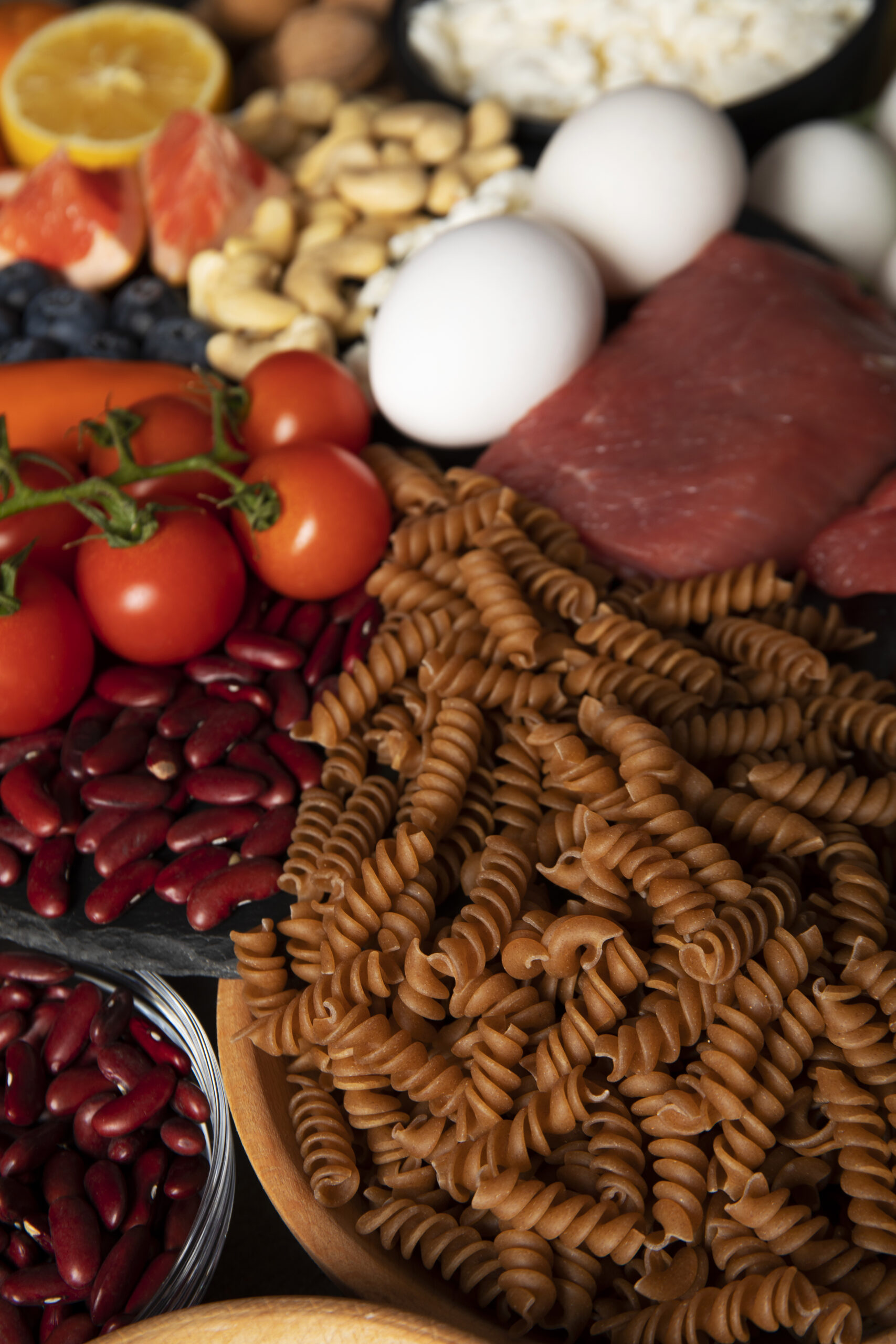
Europe is a continent of incredible variety—spanning sunny Mediterranean coasts, lush northern forests, and fertile central plains. Its traditional diets reflect this diversity, shaped over centuries by local ecosystems, seasonal rhythms, and culinary traditions. Across Europe, meals are carefully crafted to balance nutrients, support digestion, and make the most of regional flavors and resources.

Reconnecting with these time-honored eating patterns can inspire us to eat more mindfully, sustainably, and healthfully. Let’s explore the core principles and regional flavors that make European food traditions so rich and resilient.

1. Core Principles of European Diets

Despite the many differences across countries and regions, traditional European diets share some common traits:

– Plant-based staples: grains like wheat, rye, oats, barley; legumes; root vegetables; fresh fruits.
– Animal proteins: dairy products, eggs, poultry, fish, with moderate red meat intake.
– Healthy fats: olive oil, butter, nuts, seeds.
– Fermented and preserved foods: cheese, yogurt, sauerkraut, pickled vegetables.
– Seasonal and local sourcing: emphasizing fresh, regional produce and seafood when available.
– Herbs and spices: parsley, dill, thyme, rosemary, garlic, bay leaves.

These principles foster digestive health, metabolic balance, and long-term well-being, rooted in local abundance and seasonal cycles.

2. Regional Dietary Patterns

Mediterranean Europe (Italy, Greece, Spain, Southern France)
– Staples: wheat in bread and pasta, rice, legumes.
– Vegetables & fruits: tomatoes, eggplant, zucchini, citrus, olives.
– Proteins: fish, seafood, poultry, moderate cheese.
– Fats & oils: generous use of olive oil, nuts.
– Herbs & spices: oregano, basil, rosemary, garlic.
– Highlights: rich in monounsaturated fats, antioxidants, fiber, and lean proteins—supporting heart health and longevity.

Northern Europe (Scandinavia, UK, Germany)
– Staples: rye, oats, barley, potatoes.
– Vegetables & fruits: root vegetables, cabbage, berries.
– Proteins: fatty fish (like herring and salmon), dairy, pork, poultry.
– Fats & oils: butter, animal fats, rapeseed (canola) oil.
– Fermented foods: pickled herring, sauerkraut, yogurt.
– Highlights: omega-3s from fish, fiber-rich roots, gut-friendly fermented foods.

Central Europe (France, Germany, Austria, Switzerland, Poland)
– Staples: wheat, rye, barley, potatoes.
– Vegetables & fruits: cabbage, carrots, apples, root vegetables.
– Proteins: pork, beef, poultry, eggs, dairy products.
– Fats: butter, lard, vegetable oils.
– Fermented foods: cheeses, sauerkraut, fermented breads.
– Highlights: balanced macronutrients, diverse fermented foods, seasonal produce supporting overall health.

Eastern Europe (Russia, Ukraine, Baltic States)
– Staples: rye, wheat, barley, buckwheat, potatoes.
– Vegetables & fruits: cabbage, beets, onions, berries.
– Proteins: pork, beef, fish, eggs, dairy.
– Fats: animal fats, sunflower oil.
– Fermentation: pickles, kefir, sourdough bread.
– Highlights: hearty, nutrient-dense meals packed with fiber, protein, and beneficial fermented foods.

3. Common Nutritional Features

Across Europe, traditional diets share several key traits:
– Rich in complex carbs from grains, tubers, and seasonal fruits.
– Diverse proteins from fish, poultry, dairy, and legumes.
– Healthy fats from olive oil, nuts, seeds, and fish.
– Abundant micronutrients: vitamins A, C, D, E, plus minerals like magnesium and potassium.
– Fermented foods that promote gut health and nutrient absorption.
– Emphasis on seasonal, local, and minimally processed ingredients.

4. Health Benefits

These diets have historically supported:
– Heart health, especially the Mediterranean pattern rich in healthy fats.
– Stable blood sugar levels through fiber and whole grains.
– A diverse, resilient gut microbiome fostered by fermented foods.
– Reduced inflammation and chronic disease risk.
– Longer, healthier lives—many European populations have impressive longevity linked to their traditional eating habits.

Modern lifestyles, however, pose challenges—refined grains, added sugars, ultra-processed foods, and reduced seasonal variety threaten these benefits.

5. Modern Challenges and Opportunities

Today, processed foods and convenience eating are widespread, often replacing traditional seasonal produce and fermented foods.
Reliance on refined grains, industrial fats, and sugar has altered dietary patterns.

But there’s hope: reviving ancestral practices—favoring whole grains, seasonal vegetables, lean proteins, healthy fats, and fermented foods—can help restore health, balance, and cultural connection.

Conclusion

Europe’s traditional diets exemplify seasonal harmony, culinary diversity, and nutrient richness. From the heart-healthy olive oils of the Mediterranean to the hearty root vegetables and fermented foods of the North and East, these food patterns offer a blueprint for sustainable, nourishing eating.

Aligning modern diets with these principles—favoring minimally processed, local, and seasonal foods—supports not only individual health but also cultural and ecological sustainability. Embracing this wisdom can lead to longer, healthier, and more vibrant lives.

Tags: #Ancestral#Awareness#Bite#Diet#Eating#Europe#Food#Health#Nutrition#Pleasure
Previous Post

The Americas: Traditional Diets and Nutritional Patterns

Next Post

Africa & Middle East: Traditional Diets and Nutrition

Capucine Bourges

Capucine Bourges

Next Post
Oceania & Indigenous Diets: Traditional Foods and Nutrition

Africa & Middle East: Traditional Diets and Nutrition

Leave a Reply Cancel reply

Your email address will not be published. Required fields are marked *

Newsletter

Popular

  • Mindful Eating: Awareness, Pleasure, and Ancestral Nutrition

    Mindful Eating: Awareness, Pleasure, and Ancestral Nutrition

    15 shares
    Share 6 Tweet 4
  • Connection to Nature: Food, Environment, and Ancestral Health

    14 shares
    Share 6 Tweet 4
  • Oceania & Indigenous Diets: Traditional Foods and Nutrition

    14 shares
    Share 6 Tweet 4
  • The Americas: Traditional Diets and Nutritional Patterns

    14 shares
    Share 6 Tweet 4
  • Europe: Traditional Diets and Nutritional Patterns

    14 shares
    Share 6 Tweet 4
  • Africa & Middle East: Traditional Diets and Nutrition

    14 shares
    Share 6 Tweet 4
Ancestral Bite

© 2025 Ancestral Bite

Navigate Site

  • Home
  • Recipe
  • About
  • Archives
  • Contact

Follow Us

Welcome Back!

Login to your account below

Forgotten Password?

Retrieve your password

Please enter your username or email address to reset your password.

Log In
No Result
View All Result
  • Food
    • Beverages
      • Sauces
      • Soups
      • Broths and Stocks
      • Herbal teas & infusions
      • Natural fermented drinks
      • Natural Juices
      • Plant-bassed Milks
      • Plants waters
      • Tonic or medicinal drinks
      • Traditional naturally sweetened drinks
      • Vegetable juices
      • Water
    • Cereals, Legumes & Grains
      • Cereals
      • Beans
      • Broad Beans
      • Lentils
      • Other Legumes and Grains
      • Peas
    • Flours
      • Classic grains flours
      • Fruits flours or pseudocereals
      • Legume flours
      • Seed and nut flours
      • Speciality or mixed mentioned
      • Tuber and root flours
    • Fruits & Vegetables
      • Alliums
      • Citrus Fruits
      • Cruciferous Vegetables
      • Edible Mushrooms
      • Fruit Vegetables
      • Leafy and stem vegetables
      • Legume Vegetables
      • Melon or squash fruits (cucurbits)
      • Other Miscellaneous Vegetables
      • Pome Fruits
      • Root vegetables and tubers
      • Small Fruits & Berries
      • Special fruits
      • Stone Fruits
      • Tropical & Exotic Fruits
    • Meats (offals), Fish & Seafood
      • Cattle Meats
      • Crustaceans
      • Exotic or regional meats
      • Fatty fishes
      • Freshwater fishes
      • Horse meats
      • Lean fishes
      • Mollusks
      • Offal – Organs Meat
      • Other sea foods
      • Pork meats
      • Poultry meats
      • Sheep and goat meats
      • Tropical fishes
      • Wild Game Meats
    • Nuts & Seeds
      • Aromatic Seeds & Spices
      • Fats & Oils
      • Fruits with oily pulp
      • Legume Seeds
      • Nuts & nut-like seeds
      • Nuts Fruits
      • Oil Seeds
      • Use for their oils
      • Wild & Traditional Seeds
    • Other Food
      • Fermented Food & Dairy
    • Spices & Herbs
      • Aromatic Herbs
      • Natural Sweeteners
      • Spices from bark and roots
      • Spices from dried leaves or herbs
      • Spices from flowers or flower buds
      • Spices from seeds or nuts
      • Spices made from dried pools, zest or fruit
      • Sweet spices
      • Traditional Spice Blends
  • Nutrition
    • Metabolism
      • Role of the Microbiome
      • Toxicity & Modern Risks
    • Micro & Macronutrients
      • Nutrient Guide
      • Nutritional values table
      • Nutritional values – Current and ancestral
  • Recipe
    • Meal Type
      • Breakfast
      • Lunch
      • Dinner
      • Appetizer
      • Snacks
      • Desserts
      • Drinks
    • Culinary Techniques
      • Preservation Methods
      • Traditional Utensils
  • Lifestyle
    • Diets
      • Fasting & Rythm
      • Vegan
      • Carnivore
      • Omnivore
      • Veggie
      • Fructivore
    • Origins
      • Asia
      • Africa & Middle East
      • Europe
      • Americas
      • Oceania & Indigenous Diet
      • Connection to Nature
      • Mindful Eating
  • Contact

© 2025 Ancestral Bite