
Ancestral Bite
No Result
View All Result
  • Food
    • Beverages
      • Sauces
      • Soups
      • Broths and Stocks
      • Herbal teas & infusions
      • Natural fermented drinks
      • Natural Juices
      • Plant-bassed Milks
      • Plants waters
      • Tonic or medicinal drinks
      • Traditional naturally sweetened drinks
      • Vegetable juices
      • Water
    • Cereals, Legumes & Grains
      • Cereals
      • Beans
      • Broad Beans
      • Lentils
      • Other Legumes and Grains
      • Peas
    • Flours
      • Classic grains flours
      • Fruits flours or pseudocereals
      • Legume flours
      • Seed and nut flours
      • Speciality or mixed mentioned
      • Tuber and root flours
    • Fruits & Vegetables
      • Alliums
      • Citrus Fruits
      • Cruciferous Vegetables
      • Edible Mushrooms
      • Fruit Vegetables
      • Leafy and stem vegetables
      • Legume Vegetables
      • Melon or squash fruits (cucurbits)
      • Other Miscellaneous Vegetables
      • Pome Fruits
      • Root vegetables and tubers
      • Small Fruits & Berries
      • Special fruits
      • Stone Fruits
      • Tropical & Exotic Fruits
    • Meats (offals), Fish & Seafood
      • Cattle Meats
      • Crustaceans
      • Exotic or regional meats
      • Fatty fishes
      • Freshwater fishes
      • Horse meats
      • Lean fishes
      • Mollusks
      • Offal – Organs Meat
      • Other sea foods
      • Pork meats
      • Poultry meats
      • Sheep and goat meats
      • Tropical fishes
      • Wild Game Meats
    • Nuts & Seeds
      • Aromatic Seeds & Spices
      • Fats & Oils
      • Fruits with oily pulp
      • Legume Seeds
      • Nuts & nut-like seeds
      • Nuts Fruits
      • Oil Seeds
      • Use for their oils
      • Wild & Traditional Seeds
    • Other Food
      • Fermented Food & Dairy
        • Dairy products
        • Fermented food
        • Condiments & Vinegars
    • Spices & Herbs
      • Aromatic Herbs
      • Natural Sweeteners
      • Spices from bark and roots
      • Spices from dried leaves or herbs
      • Spices from flowers or flower buds
      • Spices from seeds or nuts
      • Spices made from dried pools, zest or fruit
      • Sweet spices
      • Traditional Spice Blends
  • Nutrition
    • Metabolism
      • Role of the Microbiome
      • Toxicity & Modern Risks
    • Micro & Macronutrients
      • Nutrient Guide
      • Nutritional values table
      • Nutritional values – Current and ancestral
  • Recipe
    • Meal Type
      • Breakfast
      • Lunch
      • Dinner
      • Appetizer
      • Snacks
      • Desserts
      • Drinks
    • Culinary Techniques
      • Preservation Methods
        • Canning and sterilization
        • Fermentation
        • Natural preservation
        • Preservation by refrigeration
        • Preservation by sugar
        • Preservation in fat
        • Preservation in liquid
        • Salting
        • Smoking
        • Thermal preservation
        • Fermented Recipes
      • Traditional Utensils
  • Lifestyle
    • Diets
      • Fasting & Rythm
      • Vegan
      • Carnivore
      • Omnivore
      • Veggie
      • Fructivore
    • Origins
      • Asia
      • Africa & Middle East
      • Europe
      • Americas
      • Oceania & Indigenous Diet
      • Connection to Nature
      • Mindful Eating
  • Contact
  • Food
    • Beverages
      • Sauces
      • Soups
      • Broths and Stocks
      • Herbal teas & infusions
      • Natural fermented drinks
      • Natural Juices
      • Plant-bassed Milks
      • Plants waters
      • Tonic or medicinal drinks
      • Traditional naturally sweetened drinks
      • Vegetable juices
      • Water
    • Cereals, Legumes & Grains
      • Cereals
      • Beans
      • Broad Beans
      • Lentils
      • Other Legumes and Grains
      • Peas
    • Flours
      • Classic grains flours
      • Fruits flours or pseudocereals
      • Legume flours
      • Seed and nut flours
      • Speciality or mixed mentioned
      • Tuber and root flours
    • Fruits & Vegetables
      • Alliums
      • Citrus Fruits
      • Cruciferous Vegetables
      • Edible Mushrooms
      • Fruit Vegetables
      • Leafy and stem vegetables
      • Legume Vegetables
      • Melon or squash fruits (cucurbits)
      • Other Miscellaneous Vegetables
      • Pome Fruits
      • Root vegetables and tubers
      • Small Fruits & Berries
      • Special fruits
      • Stone Fruits
      • Tropical & Exotic Fruits
    • Meats (offals), Fish & Seafood
      • Cattle Meats
      • Crustaceans
      • Exotic or regional meats
      • Fatty fishes
      • Freshwater fishes
      • Horse meats
      • Lean fishes
      • Mollusks
      • Offal – Organs Meat
      • Other sea foods
      • Pork meats
      • Poultry meats
      • Sheep and goat meats
      • Tropical fishes
      • Wild Game Meats
    • Nuts & Seeds
      • Aromatic Seeds & Spices
      • Fats & Oils
      • Fruits with oily pulp
      • Legume Seeds
      • Nuts & nut-like seeds
      • Nuts Fruits
      • Oil Seeds
      • Use for their oils
      • Wild & Traditional Seeds
    • Other Food
      • Fermented Food & Dairy
        • Dairy products
        • Fermented food
        • Condiments & Vinegars
    • Spices & Herbs
      • Aromatic Herbs
      • Natural Sweeteners
      • Spices from bark and roots
      • Spices from dried leaves or herbs
      • Spices from flowers or flower buds
      • Spices from seeds or nuts
      • Spices made from dried pools, zest or fruit
      • Sweet spices
      • Traditional Spice Blends
  • Nutrition
    • Metabolism
      • Role of the Microbiome
      • Toxicity & Modern Risks
    • Micro & Macronutrients
      • Nutrient Guide
      • Nutritional values table
      • Nutritional values – Current and ancestral
  • Recipe
    • Meal Type
      • Breakfast
      • Lunch
      • Dinner
      • Appetizer
      • Snacks
      • Desserts
      • Drinks
    • Culinary Techniques
      • Preservation Methods
        • Canning and sterilization
        • Fermentation
        • Natural preservation
        • Preservation by refrigeration
        • Preservation by sugar
        • Preservation in fat
        • Preservation in liquid
        • Salting
        • Smoking
        • Thermal preservation
        • Fermented Recipes
      • Traditional Utensils
  • Lifestyle
    • Diets
      • Fasting & Rythm
      • Vegan
      • Carnivore
      • Omnivore
      • Veggie
      • Fructivore
    • Origins
      • Asia
      • Africa & Middle East
      • Europe
      • Americas
      • Oceania & Indigenous Diet
      • Connection to Nature
      • Mindful Eating
  • Contact
No Result
View All Result
Ancestral Bite
No Result
View All Result
Home Lifestyle Origins Oceania & Indigenous Diet

Oceania & Indigenous Diets: Traditional Foods and Nutrition

by Capucine Bourges
January 21, 2026
in Oceania & Indigenous Diet
16 1
0
Oceania & Indigenous Diets: Traditional Foods and Nutrition

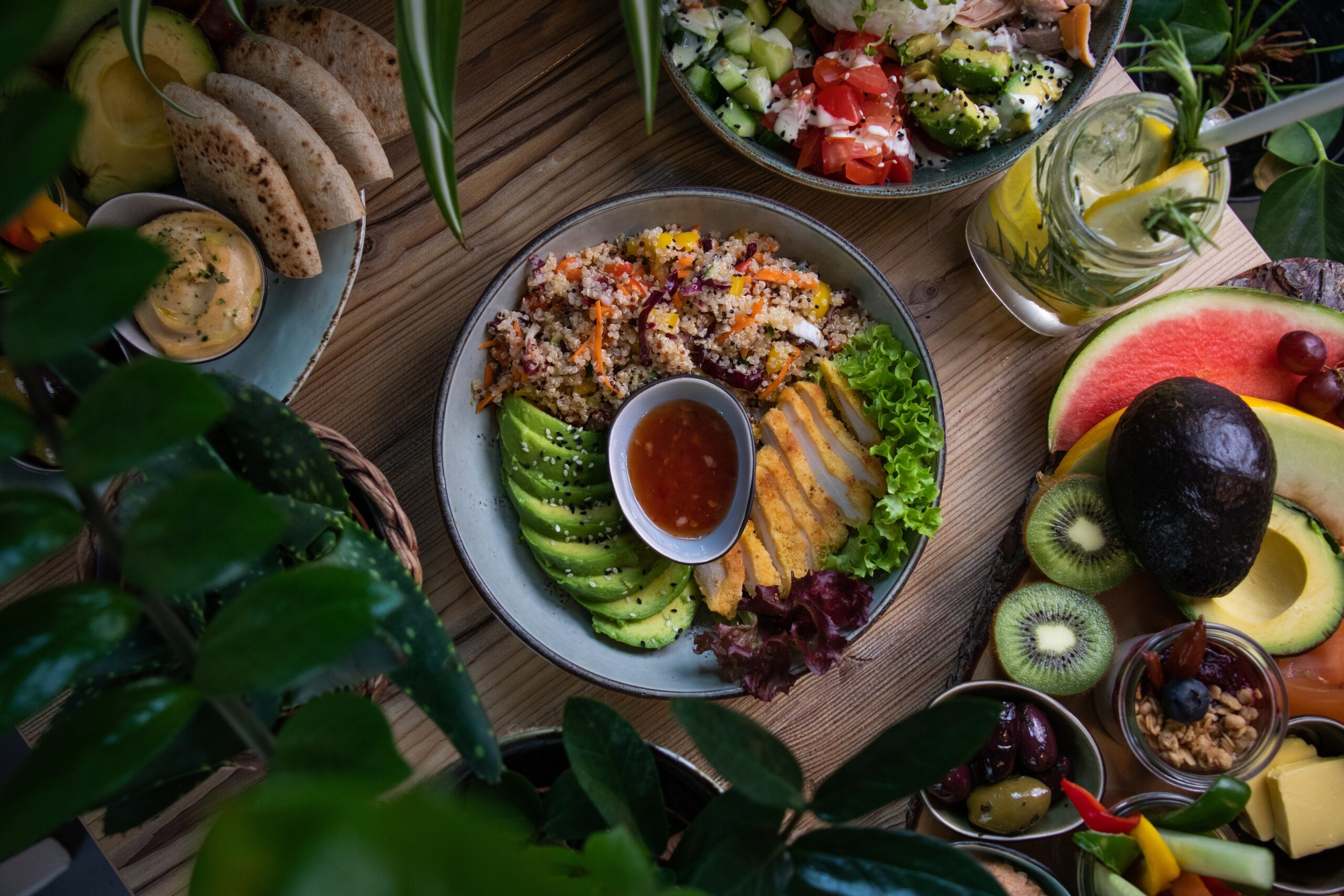
A high angle shot of plates of salad and fresh fruits and vegetable on a wooden surface

14
SHARES
124
VIEWS
Share on FacebookShare on Twitter

Introduction

From Island Staples to Ancient Wisdom

Oceania—spanning Australia, New Zealand, Melanesia, Micronesia, and Polynesia—is a vast mosaic of climates, landscapes, and indigenous cultures. Throughout history, its peoples developed rich, diverse diets shaped by the land and sea, emphasizing nourishment, sustainability, and harmony with nature.

Today, these traditional diets offer more than cultural identity—they hold valuable lessons for our health and well-being. Let’s explore how Oceania’s ancestral food practices can inspire us to reconnect with wholesome, resilient eating.

1. Core Principles of Oceanic Diets

Despite regional differences, there are common threads in these traditional diets:

– Plant-based staples: tubers like yams, taro, cassava; bananas; breadfruit; pandanus.
– Proteins: fish, shellfish, seabirds, small mammals, insects.
– Fats: coconut (flesh and oil), nuts (macadamia, kukui, pili), animal fats.
– Fermented and preserved foods: fermented fish, poi (fermented taro), dried meats, salted seafood.
– Flavorings: ginger, turmeric, native herbs, and seeds.
– Seasonal and local sourcing: hunting, fishing, gathering, and cultivating according to seasonal cues.

These diets focus on whole foods, nutrient density, and adaptability to seasonal changes—principles that foster resilience and health.

2. Regional Food Patterns

Australia (Aboriginal Diets)
– Staples: native roots, yams, bush fruits, seeds.
– Proteins: kangaroo, emu, fish, insects.
– Fats: animal fats, nuts, seeds.
– Preparation: roasting over coals, baking, drying—minimal processing.
– Highlights: high in protein, low in saturated fats, rich in wild plant nutrients, supporting metabolic flexibility and energy.

New Zealand (Māori Diets)
– Staples: kūmara (sweet potato), taro, fern roots, yams.
– Proteins: fish, shellfish, native birds, eels, occasional domesticated animals.
– Fats: seafood oils, native seeds, nuts.
– Preservation: fermentation of seafood and roots.
– Highlights: abundant omega-3s, fiber from tubers, seasonal fruits, and vegetables.

Pacific Islands (Polynesia, Micronesia, Melanesia)
– Staples: taro, breadfruit, cassava, coconut, bananas.
– Proteins: fish, shellfish, pigs, chickens, wild birds.
– Fats: coconut (milk and flesh), nuts, fish oils.
– Preparation: steaming, boiling, fermenting (like fermented breadfruit and fish).
– Highlights: energy-rich roots and fruits, high-quality protein, healthy fats, antioxidants from tropical fruits.

3. Common Nutritional Features

Across Oceania, these diets share key nutrients:

– Lean, high-quality protein sources from sea life and small land animals
– Complex carbs from roots and starchy fruits
– Healthy fats from coconut, nuts, and seafood
– Rich in vitamins A, C, B-complex, plus minerals like magnesium, potassium, and iodine
– Emphasis on seasonal, wild, and minimally processed foods
– Fermentation practices that boost gut health and nutrient absorption

4. The Health Benefits

Traditional Oceanic diets supported:

– Metabolic balance and flexibility
– Heart health, thanks to omega-3s from seafood
– Digestive health and microbiome diversity
– Nutritional variety aligned with seasons
– Sustained energy for active lifestyles in tropical and temperate climates

Modern shifts—processed foods, sugary drinks, and fewer wild foods—have challenged these benefits, impacting overall health.

5. Modern Challenges and Opportunities

Urbanization and Western influence have introduced more ultra-processed foods, refined grains, and sugary beverages, often replacing traditional staples.
A decline in indigenous food knowledge and hunting/gathering practices reduces access to seasonal, wild foods.
This shift correlates with rising rates of obesity, diabetes, and metabolic disorders across Oceania.

However, preserving and reviving ancestral practices—like incorporating tubers, seafood, coconut, and seasonal fruits—can help restore health and cultural connections.

Conclusion

Oceania’s traditional diets are a testament to resilience, adaptation, and nutrient-dense living. From Aboriginal bush tucker to Polynesian island staples, these food systems combine whole plant foods, lean proteins, healthy fats, and fermented items to promote health and longevity.

Reconnecting with these ancestral principles—favoring local, seasonal, minimally processed, and diverse foods—not only aligns with our evolutionary nutritional needs but also helps sustain cultural heritage and ecological balance. Embracing this wisdom offers a path toward healthier, more connected living in today’s world.

Tags: #Ancestral#Awareness#Bite#Diet#Eating#Food#Health#Indigenous#Nutrition#Oceania#Pleasure
Previous Post

Connection to Nature: Food, Environment, and Ancestral Health

Next Post

The Americas: Traditional Diets and Nutritional Patterns

Capucine Bourges

Capucine Bourges

Next Post
The Americas: Traditional Diets and Nutritional Patterns

The Americas: Traditional Diets and Nutritional Patterns

Leave a Reply Cancel reply

Your email address will not be published. Required fields are marked *

Newsletter

Popular

  • Mindful Eating: Awareness, Pleasure, and Ancestral Nutrition

    Mindful Eating: Awareness, Pleasure, and Ancestral Nutrition

    15 shares
    Share 6 Tweet 4
  • Connection to Nature: Food, Environment, and Ancestral Health

    14 shares
    Share 6 Tweet 4
  • Oceania & Indigenous Diets: Traditional Foods and Nutrition

    14 shares
    Share 6 Tweet 4
  • The Americas: Traditional Diets and Nutritional Patterns

    14 shares
    Share 6 Tweet 4
  • Europe: Traditional Diets and Nutritional Patterns

    14 shares
    Share 6 Tweet 4
  • Africa & Middle East: Traditional Diets and Nutrition

    14 shares
    Share 6 Tweet 4
Ancestral Bite

© 2025 Ancestral Bite

Navigate Site

  • Home
  • Recipe
  • About
  • Archives
  • Contact

Follow Us

Welcome Back!

Login to your account below

Forgotten Password?

Retrieve your password

Please enter your username or email address to reset your password.

Log In
No Result
View All Result
  • Food
    • Beverages
      • Sauces
      • Soups
      • Broths and Stocks
      • Herbal teas & infusions
      • Natural fermented drinks
      • Natural Juices
      • Plant-bassed Milks
      • Plants waters
      • Tonic or medicinal drinks
      • Traditional naturally sweetened drinks
      • Vegetable juices
      • Water
    • Cereals, Legumes & Grains
      • Cereals
      • Beans
      • Broad Beans
      • Lentils
      • Other Legumes and Grains
      • Peas
    • Flours
      • Classic grains flours
      • Fruits flours or pseudocereals
      • Legume flours
      • Seed and nut flours
      • Speciality or mixed mentioned
      • Tuber and root flours
    • Fruits & Vegetables
      • Alliums
      • Citrus Fruits
      • Cruciferous Vegetables
      • Edible Mushrooms
      • Fruit Vegetables
      • Leafy and stem vegetables
      • Legume Vegetables
      • Melon or squash fruits (cucurbits)
      • Other Miscellaneous Vegetables
      • Pome Fruits
      • Root vegetables and tubers
      • Small Fruits & Berries
      • Special fruits
      • Stone Fruits
      • Tropical & Exotic Fruits
    • Meats (offals), Fish & Seafood
      • Cattle Meats
      • Crustaceans
      • Exotic or regional meats
      • Fatty fishes
      • Freshwater fishes
      • Horse meats
      • Lean fishes
      • Mollusks
      • Offal – Organs Meat
      • Other sea foods
      • Pork meats
      • Poultry meats
      • Sheep and goat meats
      • Tropical fishes
      • Wild Game Meats
    • Nuts & Seeds
      • Aromatic Seeds & Spices
      • Fats & Oils
      • Fruits with oily pulp
      • Legume Seeds
      • Nuts & nut-like seeds
      • Nuts Fruits
      • Oil Seeds
      • Use for their oils
      • Wild & Traditional Seeds
    • Other Food
      • Fermented Food & Dairy
    • Spices & Herbs
      • Aromatic Herbs
      • Natural Sweeteners
      • Spices from bark and roots
      • Spices from dried leaves or herbs
      • Spices from flowers or flower buds
      • Spices from seeds or nuts
      • Spices made from dried pools, zest or fruit
      • Sweet spices
      • Traditional Spice Blends
  • Nutrition
    • Metabolism
      • Role of the Microbiome
      • Toxicity & Modern Risks
    • Micro & Macronutrients
      • Nutrient Guide
      • Nutritional values table
      • Nutritional values – Current and ancestral
  • Recipe
    • Meal Type
      • Breakfast
      • Lunch
      • Dinner
      • Appetizer
      • Snacks
      • Desserts
      • Drinks
    • Culinary Techniques
      • Preservation Methods
      • Traditional Utensils
  • Lifestyle
    • Diets
      • Fasting & Rythm
      • Vegan
      • Carnivore
      • Omnivore
      • Veggie
      • Fructivore
    • Origins
      • Asia
      • Africa & Middle East
      • Europe
      • Americas
      • Oceania & Indigenous Diet
      • Connection to Nature
      • Mindful Eating
  • Contact

© 2025 Ancestral Bite