
Introduction
Rediscovering Our Bond with the Natural World
Humans have always been part of nature’s intricate web. For thousands of years, our survival depended on observing, respecting, and living in harmony with the rhythms of the environment—hunting, gathering, planting, and domesticating animals. But today, our diets and lifestyles have drifted far from those natural patterns, leading to nutrient gaps, metabolic stress, and a growing sense of disconnection from the land that sustains us.
Reconnecting with nature isn’t just a nostalgic ideal; it’s a vital part of our biology. Returning to those ancient rhythms can help us restore balance, vitality, and a sense of belonging.
1. Eating in Sync with Nature’s Cycles
Traditional diets were shaped by the seasons and local ecosystems:
– Seasonality: Eating berries in summer, root vegetables in winter, and fresh greens in spring.
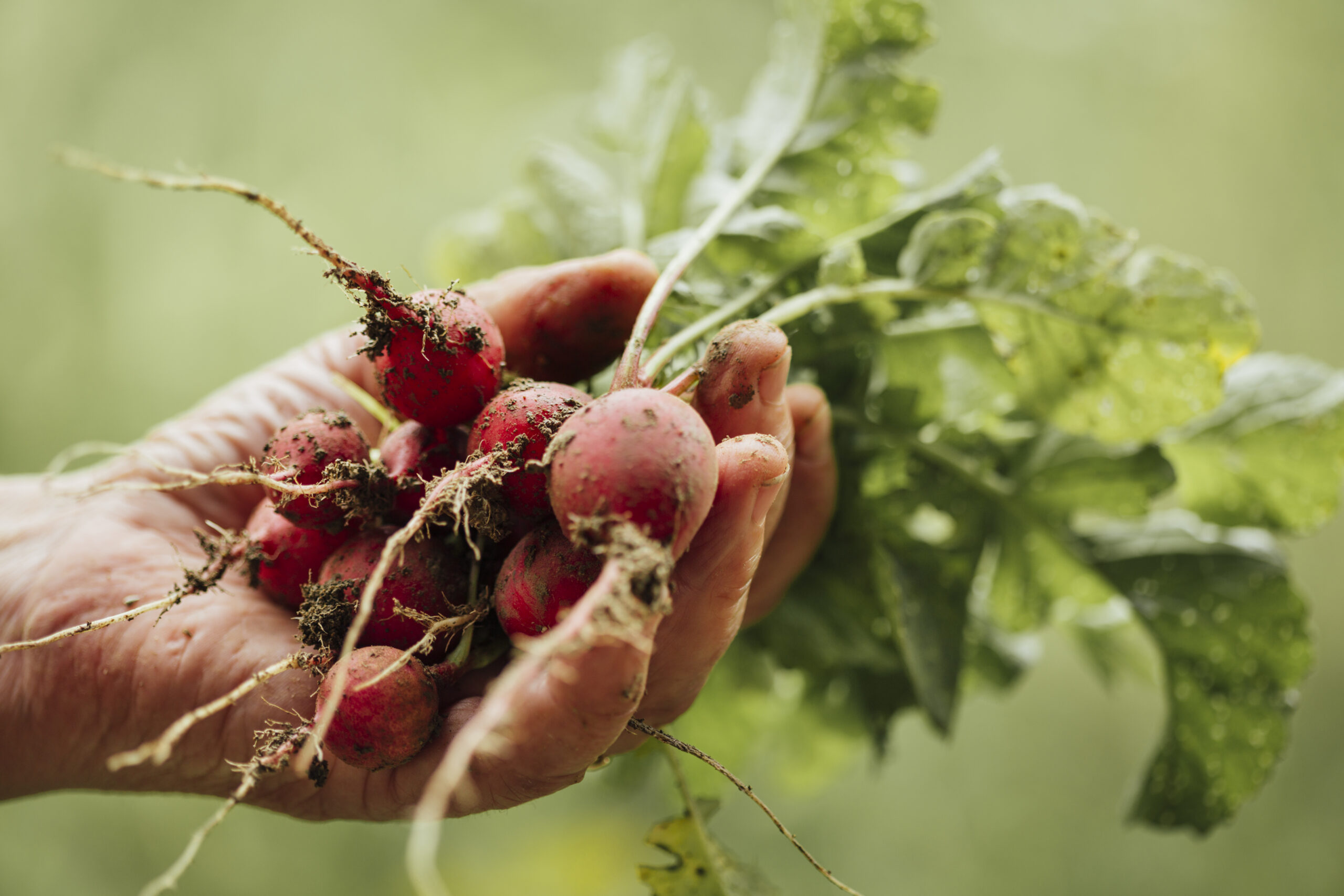
– Local sourcing: Choosing foods grown or foraged nearby, reducing reliance on distant supply chains.
– Diversity: Rotating foods based on what’s naturally available, which promotes a broad spectrum of nutrients.
When we eat seasonally and locally, we maximize nutrient density, preserve beneficial plant compounds, and support our bodies’ natural ability to adapt to environmental changes.
2. The Power of Wild and Minimally Processed Foods
Our ancestors thrived on foods that were as close to nature as possible:
– Fruits, vegetables, nuts, and seeds
– Fish, game, and wild birds
– Roots, tubers, leafy greens
– Natural oils, honey, and fermented foods
These foods are packed with nutrients, antioxidants, and fiber—supporting gut health and overall vitality. Processing and industrial foods often strip away these benefits, removing vital micronutrients and bioactive compounds, leaving us with empty calories and fewer health benefits.
3. How Humans Adapted to Natural Patterns
Our bodies evolved during times of fluctuating abundance:
– Feast and famine cycles
– Temperature swings
– Seasonal activity levels
– Variable food availability
This required incredible metabolic flexibility—our ability to store fat, conserve energy, and recycle nutrients efficiently. Today’s constant availability of food disrupts this natural rhythm, making it harder for our bodies to function optimally.
4. Sensory Cues and Eating Behavior Rooted in Nature
Our senses evolved to guide us:
– Sight, smell, and taste: Bright, ripe foods signal nutritional richness.
– Texture and chewing: Whole foods engage our digestive enzymes and promote fullness.
– Environmental cues: Changes in daylight and seasons influenced hunger, sleep, and activity patterns.
Tuning into these signals helps us optimize digestion, energy use, and metabolic health—just as our ancestors did.
5. Cultural and Spiritual Dimensions of Food
Many indigenous cultures see food as sacred—a gift from the land. Rituals, foraging, and careful preparation foster respect for ecosystems and promote sustainable practices. Eating with awareness of where our food comes from nurtures mental well-being and deepens our connection to the earth.
6. The Modern Disconnection from Nature
Today’s industrial food system favors convenience over ecology:
– Processed foods, refined sugars, and additives replace seasonal, nutrient-rich foods.
– Urban living limits exposure to natural light, fresh air, and wild foods.
– Our busy lifestyles often lead to eating on the go or in front of screens, disconnected from the experience.
This disconnection contributes to nutrient deficiencies, metabolic disorders, and a less diverse gut microbiome—undermining our health and resilience.
7. Reconnecting Through Food
Even small steps can help restore our bond with nature:
– Prioritize seasonal, local, and minimally processed foods.
– Incorporate wild or foraged ingredients when possible.
– Engage in gardening, fishing, or hunting to understand where your food comes from.
– Practice mindful eating—savoring taste, texture, and freshness.
– Align meals with daylight hours and natural cycles.
These practices support nutrient density, metabolic balance, and a profound sense of ecological harmony.
Conclusion
Humans are inherently intertwined with the natural world. Our ancestors’ diets exemplified respect for seasonality, local ecosystems, and whole foods. Today’s modern diets often break that connection, but by embracing seasonal, local, and mindful eating, we can realign our bodies with the rhythms of nature—nourishing not just our bodies but also our minds and spirits.