
Introduction
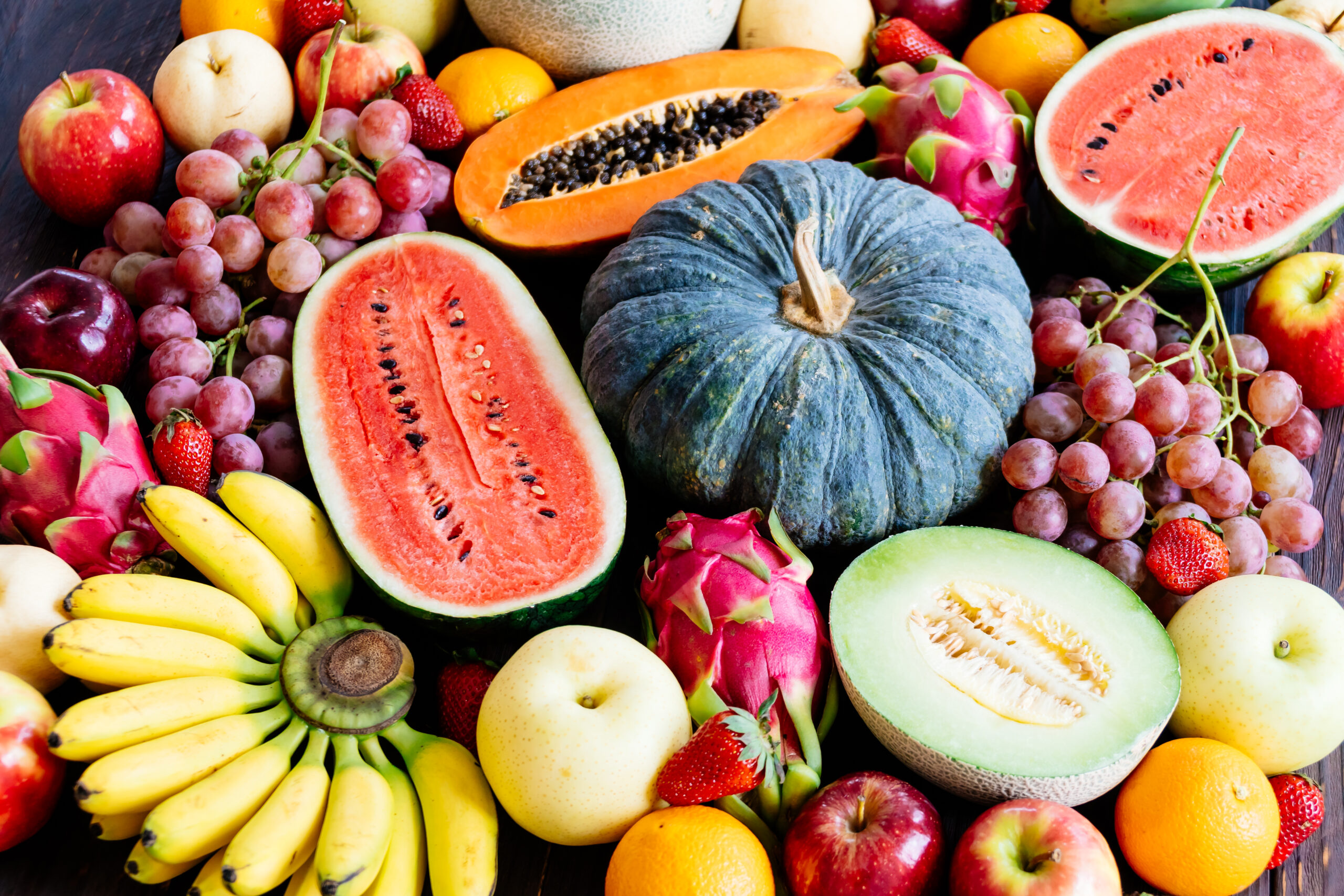
Since ancient times, fruits have been one of nature’s sweetest gifts. They nourished early hunter-gatherers, kept them hydrated during dry seasons, and have symbolized life, fertility, and abundance across countless civilizations. Beyond their delicious flavors and vibrant colors, fruits connect us to the cycles of nature—from wild harvests to the planting and tending of orchards that helped shape human societies.
Nutritional Benefits of Fruits
Fruits are packed with vitamins, minerals, natural sugars, and antioxidants, making them a vital part of a balanced diet. Some of their key nutrients include:
– Vitamin C: Supports your immune system and helps repair tissues.
– Potassium: Important for a healthy heart and muscle function.
– Fiber: Aids digestion and helps regulate blood sugar levels.
– Polyphenols and Flavonoids: Potent antioxidants that protect cells from aging and inflammation.
While fruits provide natural energy through sugars like fructose and glucose, their fiber slows down sugar absorption, giving a gentle, steady supply of energy—something our ancestors knew well when they ate fruits whole and unprocessed.
Ancient Ways of Enjoying and Preserving Fruit
Long before modern agriculture, people gathered wild fruits like berries, figs, dates, and wild apples for their sweetness and energy. As societies developed, they cultivated, preserved, and incorporated fruit into daily life and rituals:
– Drying fruits: Like figs, grapes (for raisins), and apricots, to store sweetness through winter.
– Fermenting and pressing: Creating ciders, wines, and vinegars—symbols of celebration and transformation.
– Cooking with honey and spices: Making preserves, compotes, and sauces long before refined sugar existed.
In many traditions, fruits held symbolic meanings: apples for knowledge, pomegranates for fertility, dates for prosperity. They were offerings to gods, used in healing rituals, and celebrated during seasonal festivals marking harvest and renewal.
Modern Reflections
Today, fruits still symbolize health and vitality. Modern farming has made many fruits available year-round, but reconnecting with seasonal and local varieties keeps us closer to nature’s rhythms. Traditional preservation methods like drying, fermenting, and cold storage are being rediscovered as sustainable, natural ways to enjoy fruits beyond their fresh season.
Conclusion
Fruits are more than just food—they are living symbols of nature’s generosity and the ongoing cycle of life. Eating fruit mindfully honors this deep relationship with the earth. By embracing ancestral methods of enjoying and preserving fruit, we reconnect with our roots and rediscover the simple beauty of nourishment in its purest form.