Introduction
Plant-Powered Nutrition for Energy, Balance, and Sustainability
The veggie diet—focused mainly on plant foods with optional small amounts of eggs or dairy—is one of the most popular and flexible eating patterns today. It highlights nutrient-rich vegetables, fruits, legumes, grains, nuts, and seeds, offering health benefits and helping the planet. Rooted in traditional cuisines and backed by modern research, this approach provides a gentle, balanced middle ground between veganism and eating all foods (omnivory).
1. The Basics of a Veggie Diet
A veggie diet isn’t about excluding everything; instead, it places plants at the center of each meal, with the option to include:
– Eggs
– Dairy products
– Occasionally, honey
This flexibility makes it easy to enjoy plant-based eating without the strict rules of veganism.
2. What Makes a Veggie Diet Nutritionally Strong?
Plant-Based Macronutrients:
– Carbohydrates from fruits, vegetables, legumes, and grains give you steady energy.
– Proteins mainly come from legumes, lentils, tofu, tempeh, eggs, and dairy.
– Fats are supplied by nuts, seeds, avocados, olives, and plant oils.
Micronutrients:
– Naturally rich in fiber, antioxidants, polyphenols, vitamin C, folate, magnesium, and potassium.
How Eggs and Dairy Help:
– Provide nutrients that are harder to get from plants alone, such as vitamin B12, calcium, high-quality complete proteins, and omega-3s (especially eggs enriched with DHA).
3. The Benefits of a Veggie-Focused Diet
✔ Digestive Health:
Fiber and prebiotics support healthy gut bacteria and regularity.
✔ Stable Blood Sugar:
Low-glycemic foods like vegetables, legumes, and whole grains help keep blood sugar steady.
✔ Anti-Inflammatory:
Phytonutrients and antioxidants help reduce oxidative stress.
✔ Weight Control:
High-fiber meals promote fullness while keeping calories in check.
✔ Heart Health:
Reducing saturated fats from animal products and increasing plant diversity benefits cardiovascular health.
4. Things to Watch Out For
Even a plant-centered diet needs some attention to certain nutrients:
⚠ Vitamin B12:
Only found in animal products, so supplementation might be needed if dairy and eggs are limited.
⚠ Iron & Zinc:
Plant sources contain non-heme iron and zinc, which are less easily absorbed. Soaking, sprouting, fermenting, and eating them with vitamin C-rich foods can help.
⚠ Omega-3s:
ALA from flax, chia, and walnuts is beneficial but less readily converted to EPA/DHA. Eggs, dairy, or algae oils can fill this gap.
⚠ Protein:
Eating a variety of plant proteins ensures you get all essential amino acids.
5. Traditional vs. Modern Veggie Eating
Traditional Patterns:
– Found in Mediterranean, Indian, and Asian cuisines
– Use of pulses, herbs, spices, and fermented foods
– Focus on whole, minimally processed ingredients
– Little added sugar or refined oils
Modern Trends:
– Sometimes rely heavily on ultra-processed meat substitutes
– Use refined plant oils like sunflower or canola
– Increased consumption of sugary “plant-based” snacks
The difference between eating whole foods and processed “pseudo-vegetarian” products is huge for health over the long term.
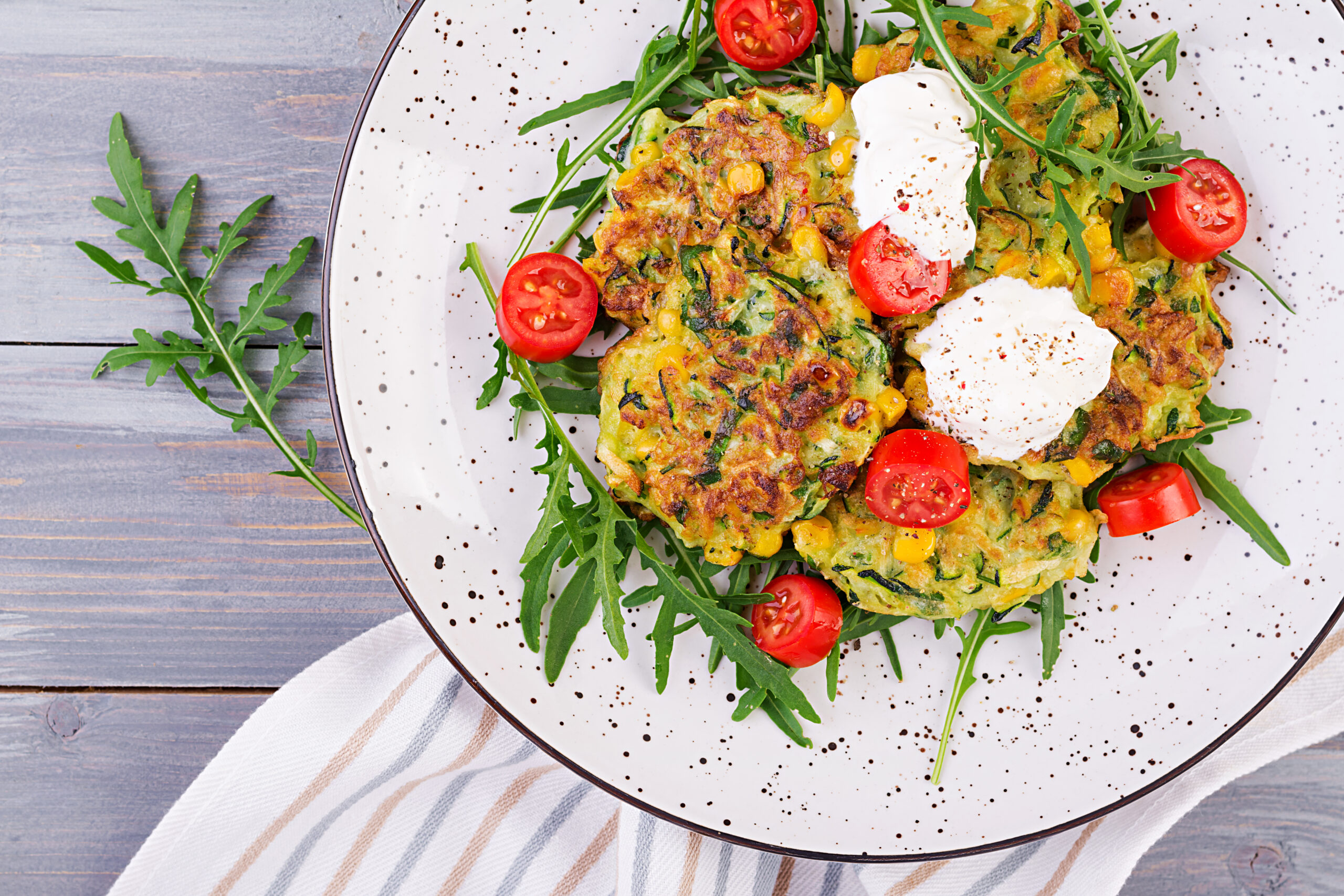
6. What a Healthy Veggie Plate Looks Like
– Fruits & Vegetables:
A rainbow of colors daily—leafy greens, root vegetables, seasonal fruits.
– Proteins:
Legumes, eggs, tofu, tempeh, yogurt, cheese.
– Whole Grains:
Quinoa, brown rice, oats, millet, buckwheat.
– Healthy Fats:
Avocado, olive oil, nuts, seeds, tahini.
– Fermented Foods:
Kefir, yogurt, sauerkraut, kimchi, miso.
– Simple Staples:
Whole ingredients, local produce, and basic cooking methods.
7. Who Benefits Most from a Veggie Diet?
The veggie diet is great for:
– People wanting a nutrient-rich, high-fiber diet
– Those seeking a mostly plant-based approach without strict vegan rules
– Anyone interested in ecological or ethical eating
– Folks managing weight, cholesterol, or inflammation
– Athletes looking for lighter, recovery-friendly meals (with proper protein planning)
Its flexibility makes it easy to customize and stick with long-term.
Conclusion
The veggie diet offers a balanced, nourishing approach that’s good for both your body and the planet. By focusing on plants and including nutrient-rich animal by-products like eggs and dairy, it sidesteps many limitations of strict veganism while embracing a plant-forward lifestyle. When based on whole, seasonal foods, it’s a vibrant, adaptable way to support your health and ecological well-being.