Introduction
A vegan diet excludes all animal products—meat, fish, dairy, eggs, and often honey—and instead focuses on plant-based foods like fruits, vegetables, grains, legumes, nuts, seeds, herbs, and fungi. Many choose veganism for ethical, environmental, or health reasons. But how nutritious a vegan diet is depends a lot on the quality of foods, how they’re prepared, and how varied they are. When well-planned, a vegan diet can be rich in nutrients, but it also requires awareness of potential gaps and the importance of choosing whole foods over ultra-processed options.
1. The Basics of a Vegan Diet
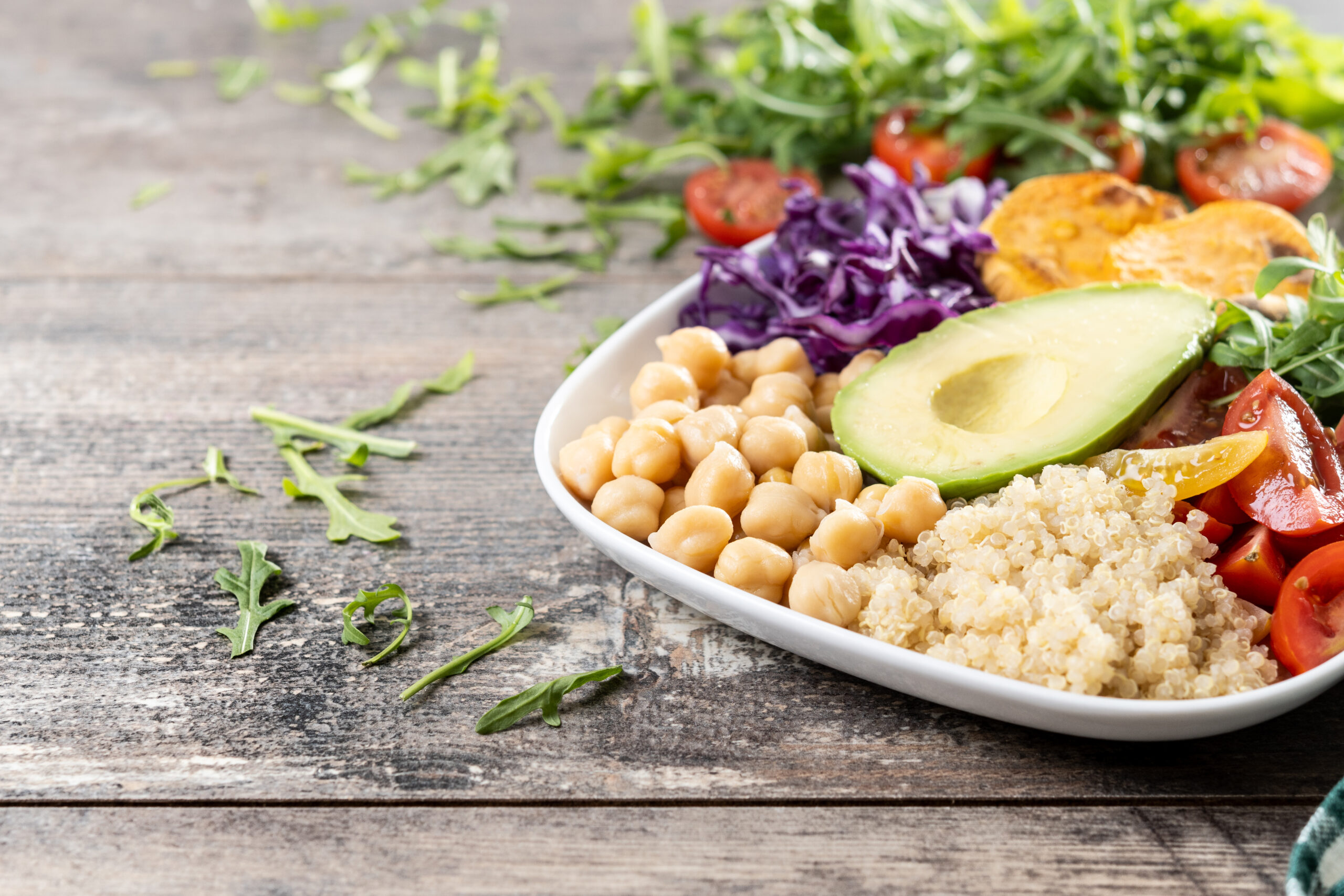
A natural, whole-food vegan approach includes:
– Fresh and cooked fruits and vegetables, including fermented options
– Legumes like beans, lentils, chickpeas, and soy products
– Whole grains such as quinoa, oats, brown rice, millet, and sorghum
– Nuts and seeds like almonds, walnuts, chia, flax, and hemp
– Plant oils like olive, coconut, avocado, and sesame
– Herbs and spices for flavor and health benefits
– Fermented foods like tempeh, miso, kimchi, and sauerkraut
The more diverse your choices, the more complete your nutrition will be.
2. What Are the Strengths of a Vegan Diet?
High in Fiber and Phytochemicals:
Plants provide a wealth of antioxidants, polyphenols, flavonoids, and fibers that support heart health, gut bacteria diversity, and help reduce inflammation.
Naturally Low in Saturated Fat:
Most plant foods are low in saturated fats, which is good for your heart.
Rich in Vitamins and Minerals:
A varied vegan diet can supply plenty of vitamin C, folate, magnesium, potassium, and plant-based antioxidants.
Supports Weight and Metabolic Health:
High-fiber foods help you feel full longer and help regulate blood sugar levels.
3. Nutrients That Need Special Attention
Since some nutrients mainly come from animal foods, vegans should plan carefully:
Vitamin B12:
Crucial for nerve health and energy; must be supplemented or obtained from fortified foods.
Iron:
Plant-based iron (non-heme) isn’t absorbed as easily. Pairing iron-rich foods with vitamin C sources boosts absorption.
Omega-3 Fatty Acids:
EPA and DHA are limited in plants; algae-based supplements are a good option.
Protein & Essential Amino Acids:
Eating a variety of legumes, grains, nuts, and seeds helps ensure complete protein intake.
Calcium, Vitamin D, and K2:
Important for healthy bones; often need fortified foods or supplements.
Zinc and Iodine:
While plant sources exist, they may be less bioavailable. Sea vegetables and soaking or fermenting legumes can help.
4. Whole-Food Vegan vs. Processed Vegan
Not all vegan diets are created equal:
Whole-Food Vegan:
– Focuses on minimally processed ingredients
– Rich in fiber, nutrients, and healthy fats
– Naturally anti-inflammatory
– Supports steady energy and gut health
Processed Vegan:
– Includes vegan meats, fast foods, refined grains, seed oils, and sugars
– Can lack essential nutrients
– Often high in sodium and additives
– May cause blood sugar swings and nutrient gaps over time
Choosing a nutrient-focused vegan diet means emphasizing traditional preparation methods such as soaking, sprouting, and fermenting, along with seasonal variety.
5. Traditional Plant-Based Eating Around the World
Many cultures have long histories of plant-centered diets:
– Mediterranean: Grains, legumes, vegetables, and olive oil
– East Asian: Soy, rice, seaweed, and pickled vegetables
– Indian: Lentils, spices, fermented foods, and legumes
– African & Caribbean: Tubers, greens, pulses, and coconut
These diets often involve natural, traditional methods that unlock vital nutrients.
6. How Does Veganism Impact Modern Health?
A balanced vegan diet can support:
– Better heart health
– Reduced inflammation
– Improved digestion
– Diverse gut bacteria
– Stable metabolic markers
But poorly planned vegan diets risk causing:
– Anemia and fatigue
– Hormonal imbalances
– Weakened immunity
– Nutrient deficiencies
The key lies in education, choosing quality ingredients, and using thoughtful supplementation when needed.
7. The Broader Picture: Environment & Ethics
Many opt for veganism to reduce their ecological footprint, lower greenhouse gases, promote animal welfare, and support sustainable farming. Plant-based eating generally uses fewer resources than meat-heavy diets, making it beneficial for the planet.
Conclusion
A vegan diet can be deeply nourishing if built on whole, diverse, minimally processed plant foods. It offers plenty of fiber, antioxidants, and phytonutrients often missing in modern diets. Still, since some nutrients are naturally scarce in plants, careful planning and supplementation are essential to stay balanced and energetic in the long run.
In essence, veganism aligns with ancestral principles—emphasizing traditional preparation, whole ingredients, and diversity—creating a modern lifestyle that benefits both your health and the Earth.